Water Damage Restoration Tigard, OR
Pump-out, careful removal of wet materials and drying to the S500 standard for Tigard houses, townhomes and apartments hit by a leak, a storm or a backup, with moisture readings logged for the adjuster.
Steps to take right after water appears
A few quick moves limit how far the water spreads before the crew works.
Stop the source
Close the fixture valve or the main shutoff, and turn off power to rooms where water reaches outlets, panels or cords. Stay out of any water that touches electrical gear.
Lift what can move
Raise rugs, books, small furniture and electronics out of the wet. Foil or plastic blocks under furniture legs keep stain from spreading on damp carpet.
Photograph the damage
Take dated photos of the water, the source and each damaged item before cleanup starts, and keep every receipt for the claim.
Hold off on repairs
Leave wet drywall, carpet and cabinets in place until readings are taken, and skip the household vacuum, which is not built for water.
Every kind of indoor water problem
From a small appliance leak to a sewage backup, each service here is scoped and priced the way crews handle it in local houses, townhomes and apartments.
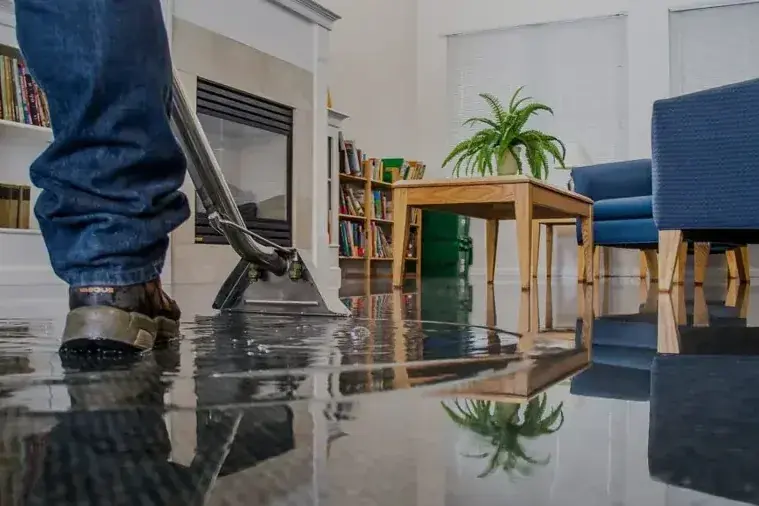 01Water Extraction and RemovalTruck-mounted pumps and extraction wands pull standing water out of carpet, tile and subfloors so drying starts on a clear surface.Open the service ›
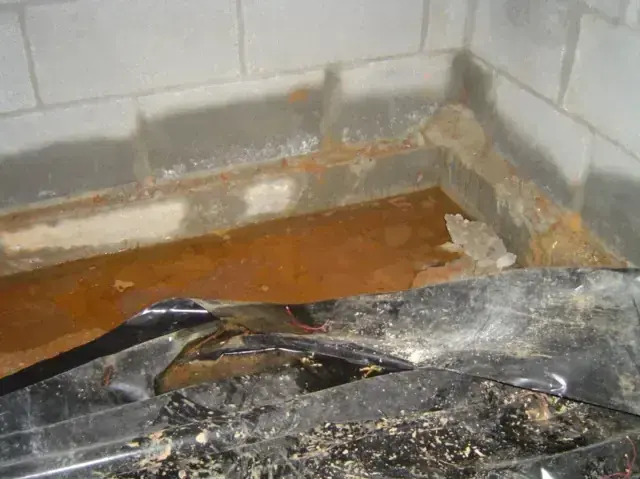 02Crawl Space Water RemovalWater under a floor is pumped out, soaked insulation comes down and the framing is dried, wherever a home has a crawl space.Open the service ›
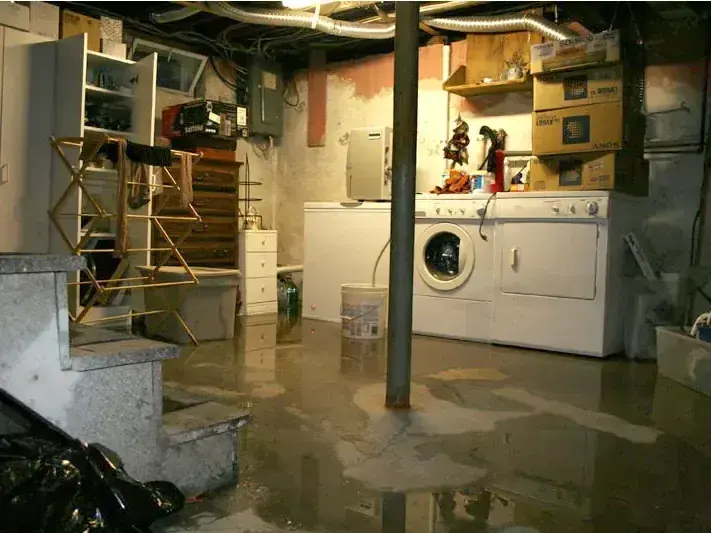 03Basement Flooding CleanupHeavy rain or a failed fixture can flood a lower level, so water is pumped, wet finishes are cut back and walls are dried.Open the service ›
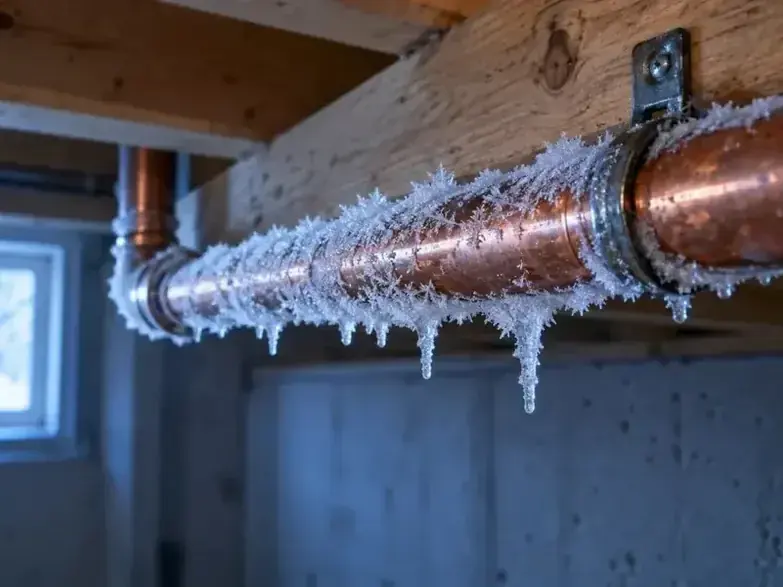 04Frozen Pipe Water DamageA freeze can crack a pipe that only leaks at the thaw, so cavities are opened and dried where it went.Open the service ›
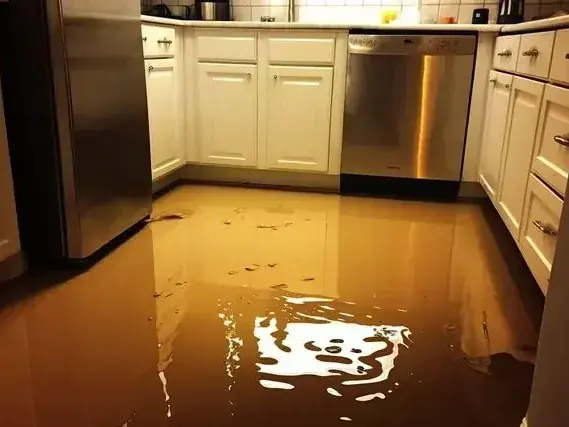 05Burst Pipe Water DamageA split supply pipe soaks walls and ceilings fast, so the water is stopped, extracted and the wet cavities dried.Open the service ›
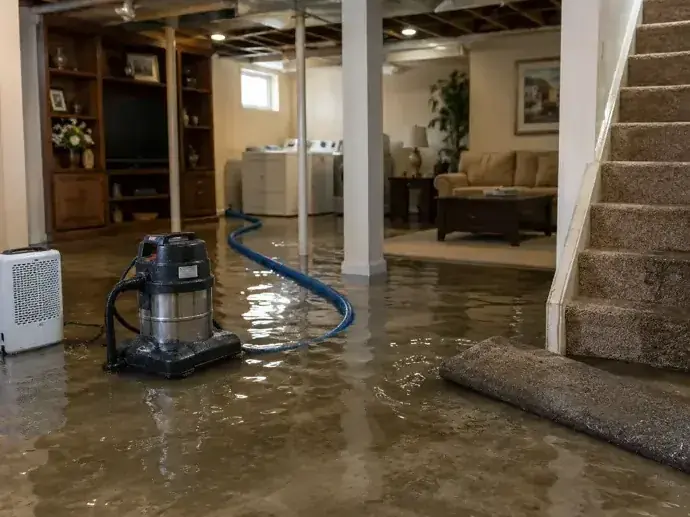 06Storm Water DamageWind-driven rain and runoff at a door bring in water and grit, and extraction, cleaning and drying follow.Open the service ›
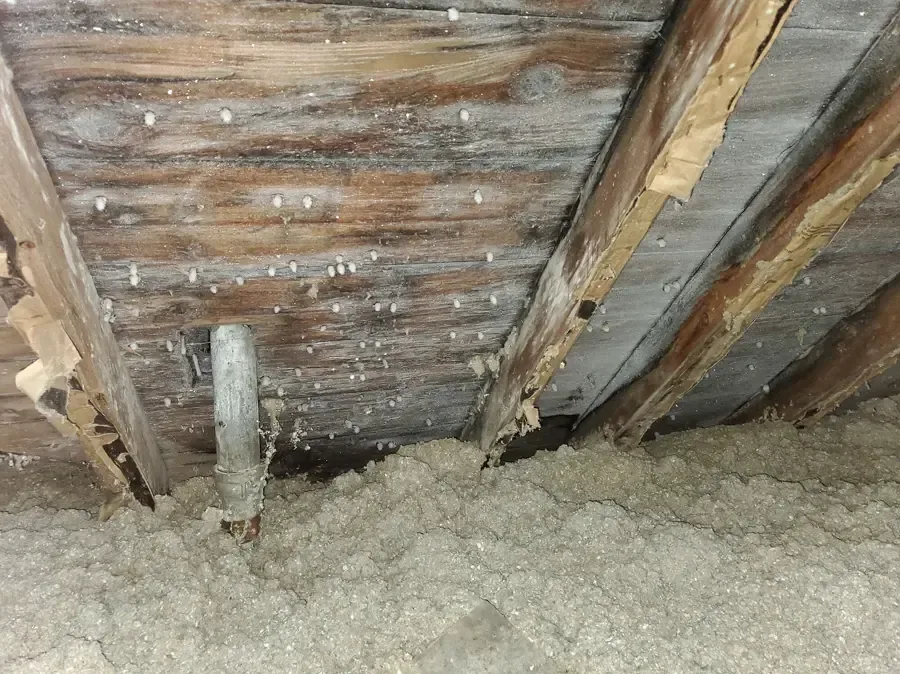 07Roof Leak Water DamageWet insulation and stained ceilings from a roof leak are opened, cleared where saturated and dried before anything is closed.Open the service ›
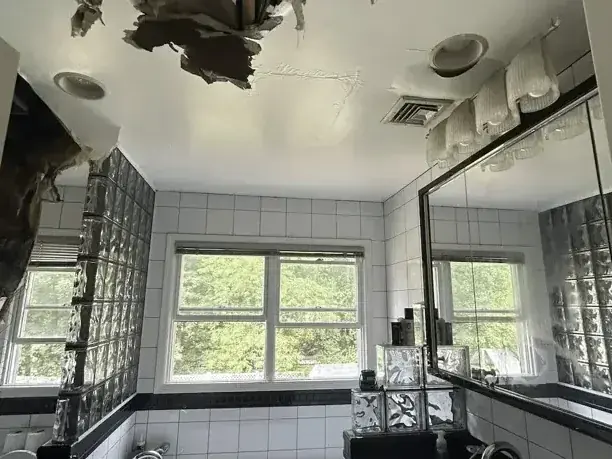 08Ceiling Leak Water DamageA sagging ceiling often hides a wet joist bay. It is drained, opened and dried, along with the room below.Open the service ›
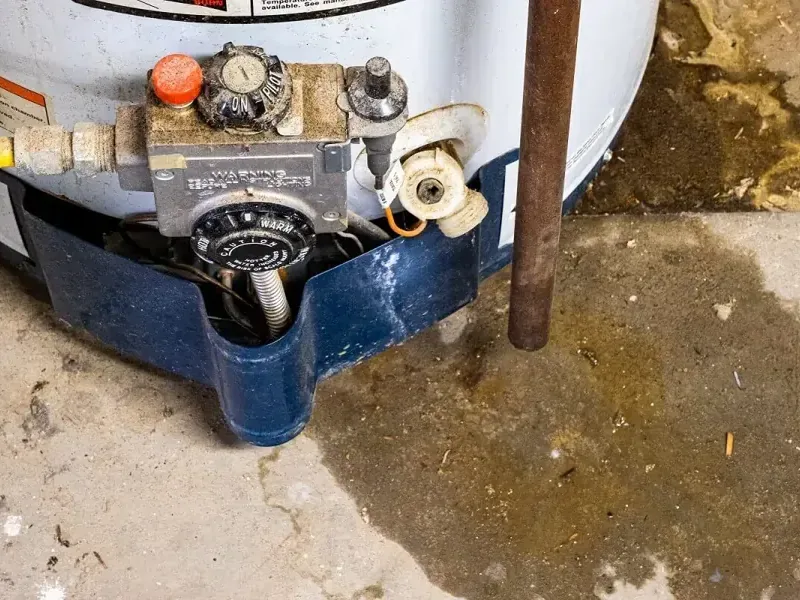 09Water Heater Leak CleanupA leaking tank floods a closet or garage floor and creeps into the walls, so the water is extracted and those walls are dried.Open the service ›
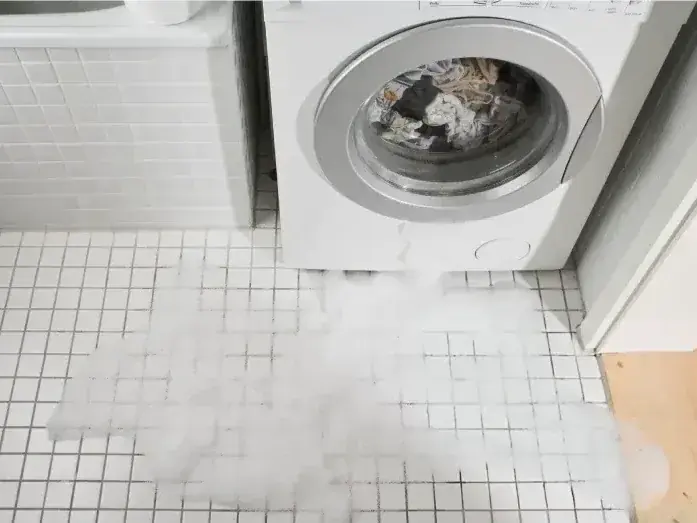 10Appliance Leak Water DamageWasher, dishwasher and refrigerator hoses fail without warning, and floors, cabinet bases and neighboring units get dried.Open the service ›
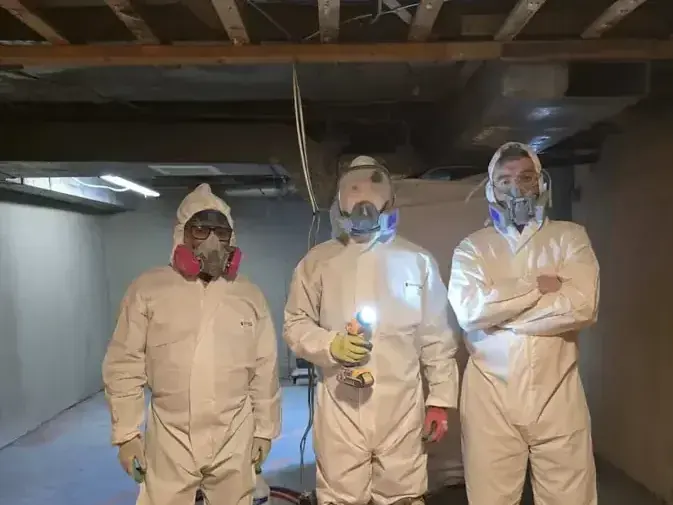 11Sewage Backup CleanupBacked-up drains bring contaminated water indoors, so affected materials are removed, surfaces cleaned and treated, and the area dried under containment.Open the service ›
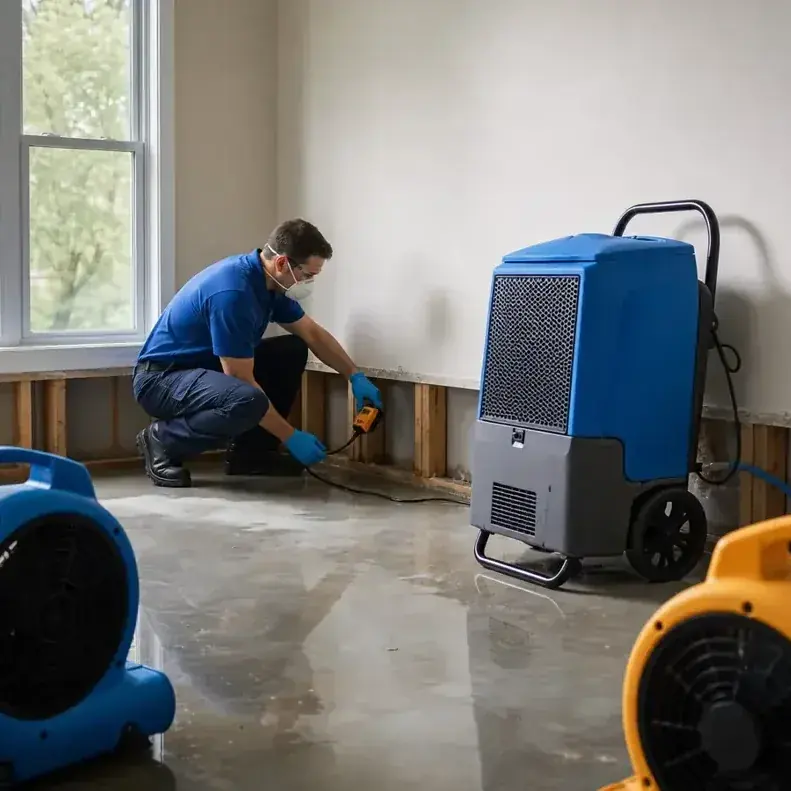 12Structural Drying and DehumidificationAir movers, dehumidifiers and daily readings pull moisture from framing, subfloors and hardwood until the numbers reach target.Open the service ›
Built around how local homes dry
Local homes span the 1970s to brand-new River Terrace streets, and every era of construction dries a little differently.
Rapid local response
Crews dispatch around the clock for pipe bursts, backups and storm leaks, because water keeps spreading while it waits.
IICRC S500 drying standard
Equipment is set by the S500 method, and moisture readings decide when a room is dry, not the calendar.
Claim-ready documentation
Photos, meter readings and equipment logs are kept in order so the adjuster can follow the whole job.
Local water know-how
Wet winters, creek-side trails and a mix of owner-occupied houses and rentals shape how crews plan each job here.
From wet floors to dry framing
Every job follows the same four moves, scaled to the size of the loss.
- Assess the loss. Meters and a thermal camera map the wet areas, and the water category is set before removal begins.
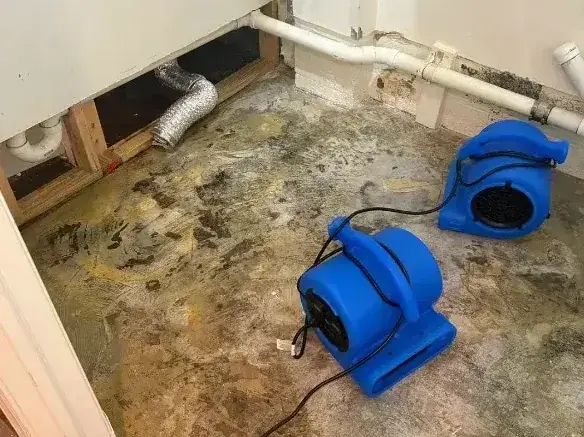
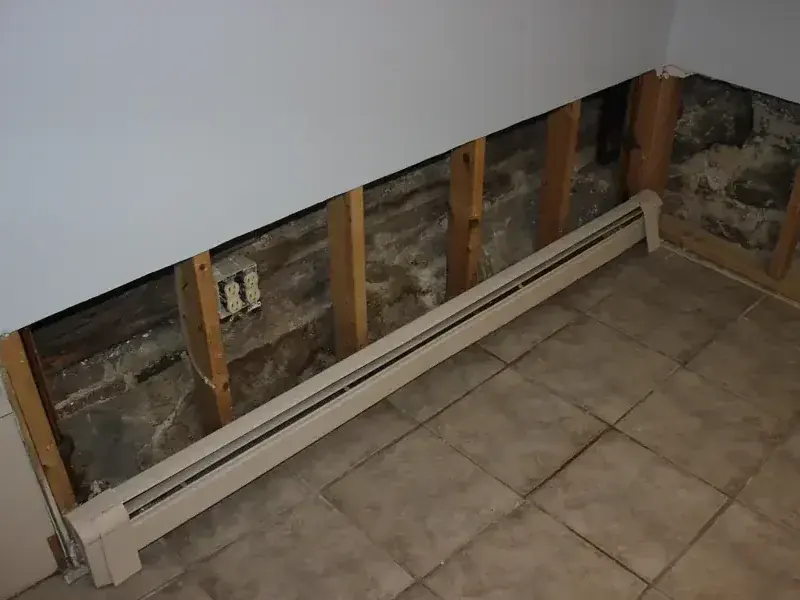
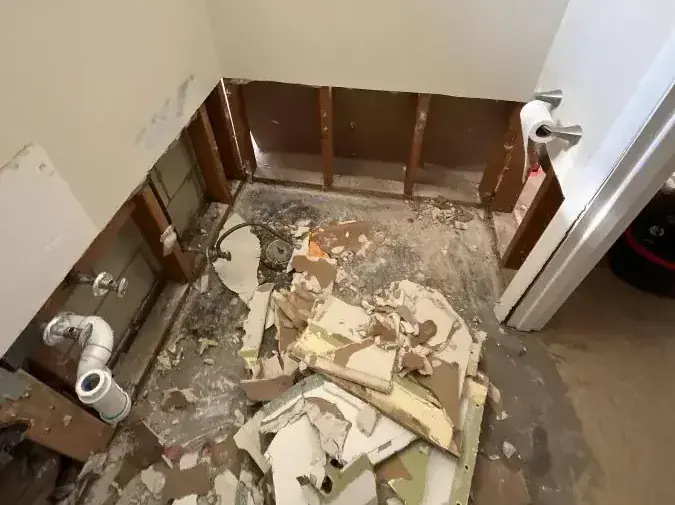
- Pull the water out. Pumps and wands clear pooled water, then wet pad, trim or drywall that cannot dry in place comes out.
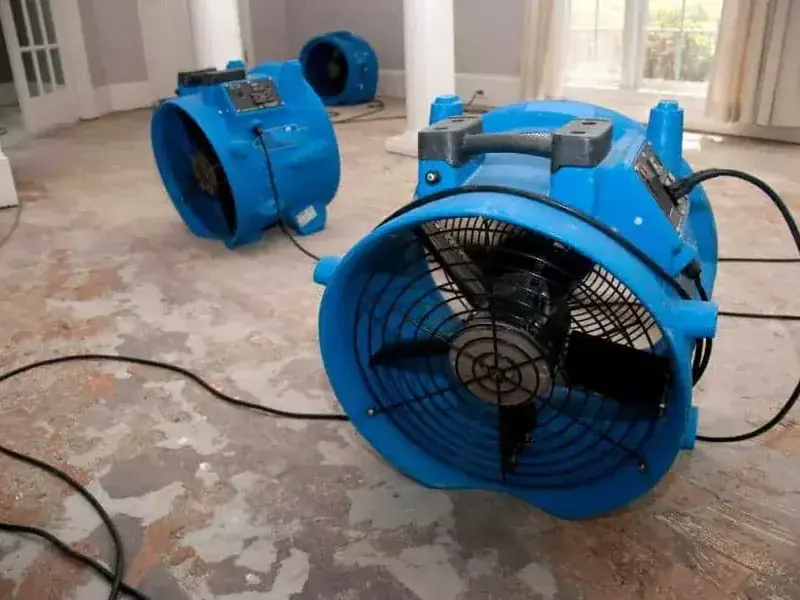
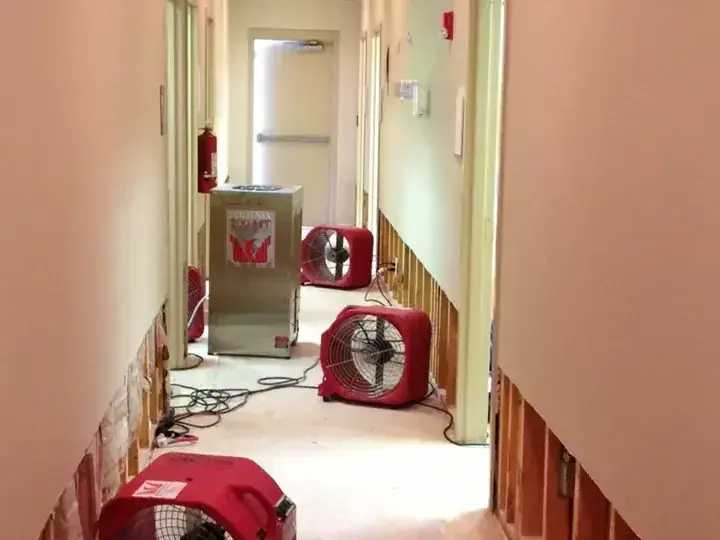
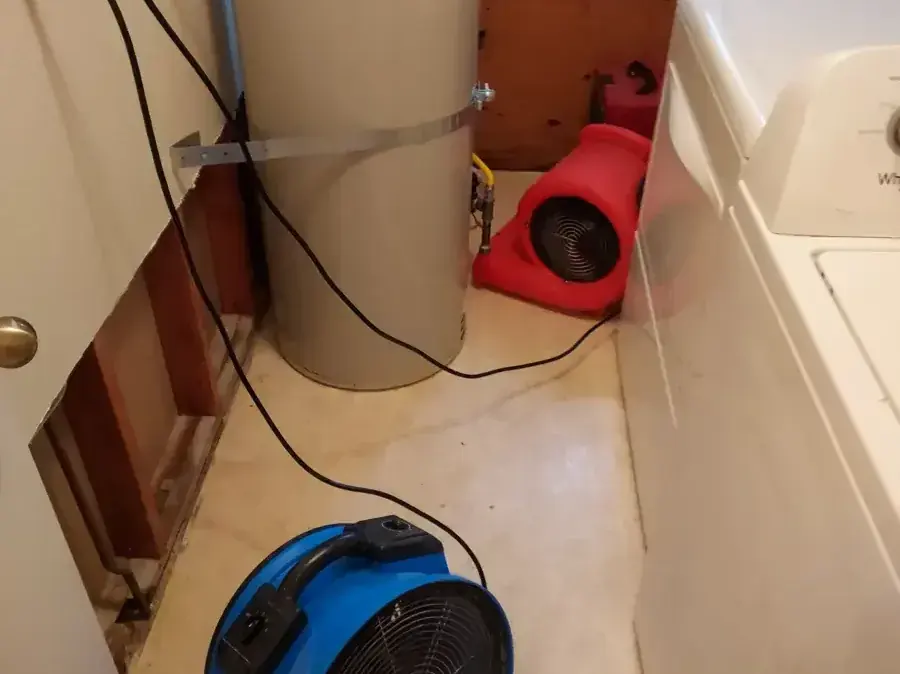
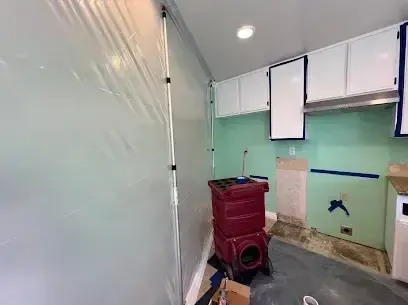
- Place the equipment. Air movers and dehumidifiers go in, sized to the room, with containment when the water is dirty.
- Dry and verify. Readings are logged each day until framing and floors reach the dry standard, then the file is handed over.
Clean, gray or black water changes the plan
The IICRC category decides what is saved, what is removed and how the house is protected.
Clean supply water
A split pipe or failed hose sends sanitary water that dries well when caught early, so walls and floors can often stay.
Burst pipe cleanup ›Gray appliance water
A washer or dishwasher leak carries soap and soil, so porous materials near it are usually removed.
Appliance leak help ›Black sewage water
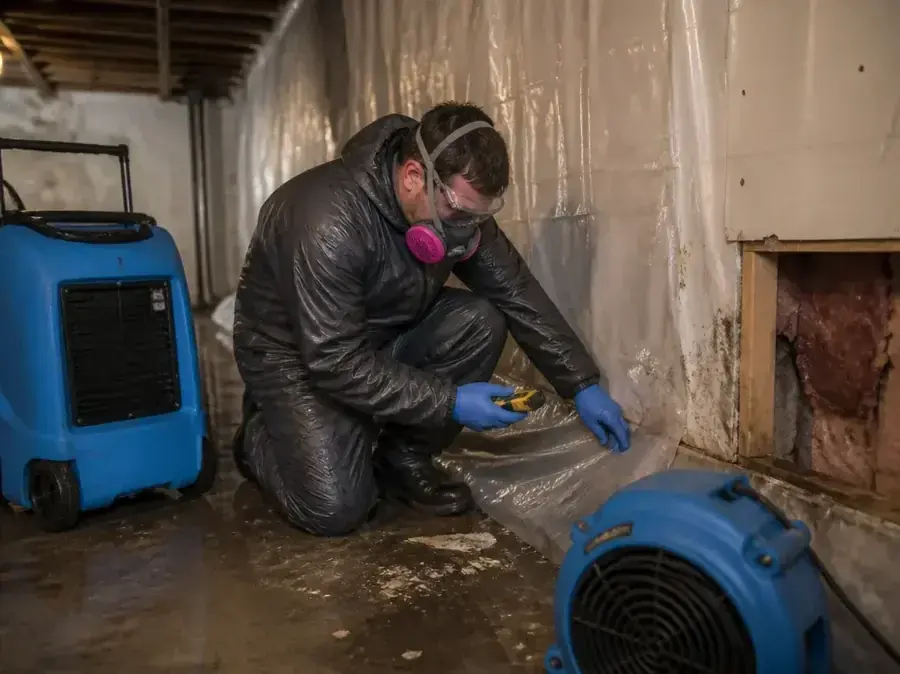
Sewage and floodwater are contaminated, so materials come out, surfaces are cleaned and treated, and the area is contained.
Sewage backup cleanup ›What a water job usually costs here
Most local jobs land between $1,200 and $15,000, depending on how many rooms are wet, how long the water sat, the materials involved and whether it was clean, gray or sewage. The ranges below are typical, and a measured scope sets the real number.
One-room clean leak
$1,200 to $3,000A pipe or hose leak caught early, with extraction and drying in a single room.
A wet floor plus walls
$3,500 to $7,500Water that spread through a floor, with pad and lower drywall removed and drying across the level.
Contaminated or deep loss
$8,000 to $15,000Sewage or long-standing water with removal, cleaning and containment.
Typical ranges only. Moisture readings and the measured scope set the actual figure, and large jobs cost more.
Working with the insurance claim
Adjusters want proof of the loss, so the paperwork is built while the equipment is still running.
- Dated photos of every wet room and damaged item
- The source of the water and when it started
- Moisture readings from the first visit forward
- Equipment counts and daily drying logs
- Receipts for emergency steps and repairs
A policy commonly covers a sudden pipe failure or storm intrusion but not slow seepage or long-term wear, so the cause of the loss shapes the claim.
Mitigation costs are supported by the drying records, which is why photos, readings and logs are kept for every visit.
What a typical dry-out looks like inside a house
Where crews work across the city
Crews cover the whole city, from the Washington Square area to River Terrace.
ZIP codes covered
97223 sits north of McDonald Street and 97224 covers the southern half.
Reaching the crew from anywhere in the city
Dispatch covers every address in the city, from older streets to the newest homes in River Terrace.
Describe the water source and the rooms involved, and the crew plans equipment before arriving.
Neighborhoods and districts
- Downtown Tigard
- Tigard Triangle
- Bull Mountain
- River Terrace
- Washington Square
- Cook Park
Corridors
- Interstate 5
- Oregon Route 217
- Oregon Route 99W
- Oregon Route 210
- Boones Ferry Road
- Hall Boulevard
- Scholls Ferry Road
- Fanno Creek Trail
What puts local homes at risk of water
Wet winters, a creek that spills across its own trail and a housing stock built largely between the 1970s and the 1990s all shape the water calls that come in here. About 44 percent of homes date from 1970 to 1989 and the median build year is 1984, so appliances and fixtures are often well into their service lives.
Summer 2022 Record spring rainfall kept the Fanno Creek Trail under Scholls Ferry Road flooded later into summer, and Clean Water Services raised the trail from August to late September 2022.
Water damage questions homeowners ask here
How quickly does water damage spread in a house?
Water wicks into drywall, trim and subfloor within the first day, and moisture left past 24 to 48 hours invites mold. Early water extraction keeps the loss to a few rooms instead of a whole floor.
What does a typical dry-out cost for a local house?
Small clean-water leaks usually run $1,200 to $3,000, a wet floor with walls $3,500 to $7,500, and contaminated or deep losses $8,000 to $15,000. Measured scope and water category set the final number.
Will homeowner insurance pay for a burst pipe?
Sudden pipe failures are commonly covered, while slow seepage and long-term wear often are not. Dated photos, meter readings and drying logs help the adjuster see what happened and when.
How long does structural drying take?
That depends on the materials and the water category. Equipment for structural drying stays until daily readings reach the dry standard, so hardwood and framing run longer than carpet and open floors.
Can a leak in one rental unit reach the neighbors?
Yes. About 39 percent of households here rent, and attached homes share floors, ceilings and walls, so water from one unit can drop into the one below. Each affected unit needs its own readings.
What does the Fanno Creek Trail flooding tell homeowners?
The trail under Scholls Ferry Road floods naturally in wetter months, and city crews warn people to avoid standing water there. It says nothing about any one address, so the FEMA flood map, effective October 19, 2018, is the place to look.
What happens if a street water main breaks nearby?
A roadway main, like the one that burst near Timothy Place on May 14, 2026 and flooded several streets, is public infrastructure. Water that reaches a house or garage is a separate problem that still needs extraction and drying.
Who handles a sewage backup?
A restoration crew handles sewage backup cleanup by removing affected materials and cleaning and treating surfaces under containment. Clean Water Services is the water resources utility for urban Washington County, so it is the agency to ask about public sewer questions.
Do hardwood floors survive a pipe leak?
Often, when the water is clean and drying starts early. Floor mats and steady dehumidification pull moisture from the boards, and boards that cup or stain deeply may need replacing once readings settle.
Which areas do the crews cover?
Crews work citywide, including Bull Mountain, River Terrace and the Washington Square area, across ZIP codes 97223 and 97224.
Get the pumps and dehumidifiers moving before damage spreads
The restoration team can be dispatched around the clock for any Tigard address, whether the water came from a pipe, a storm or a backup.
(888) 373-8814Bring in the drying team