Water Damage Restoration West Linn, OR
Backed-up creeks, winter storms and failed supply pipes put water on West Linn floors, and the crew pumps it out, finds the wet framing and sets drying equipment to a readings target.
What to do while the crew gets ready
A few quick steps keep a wet floor from becoming a gutted room.
Stop the flow
Shut the main valve, or the one at the fixture, and switch off power to wet rooms only if the panel is dry and safe to reach.
Check the meter
With every tap and appliance off, a moving red triangle or needle on the water meter points to a hidden leak somewhere in the house.
Photograph the damage
Take wide and close shots of the water, the stained surfaces and any damaged belongings before anything is moved, and note when it started.
Lift what you can
Set wet rugs, books and electronics on dry raised surfaces, but leave soaked carpet and drywall in place so the crew can read them.
Twelve water problems, one crew
From a flooded crawl space to a dripping ceiling, each problem has its own pump-out, removal and drying steps, so choose the match below.
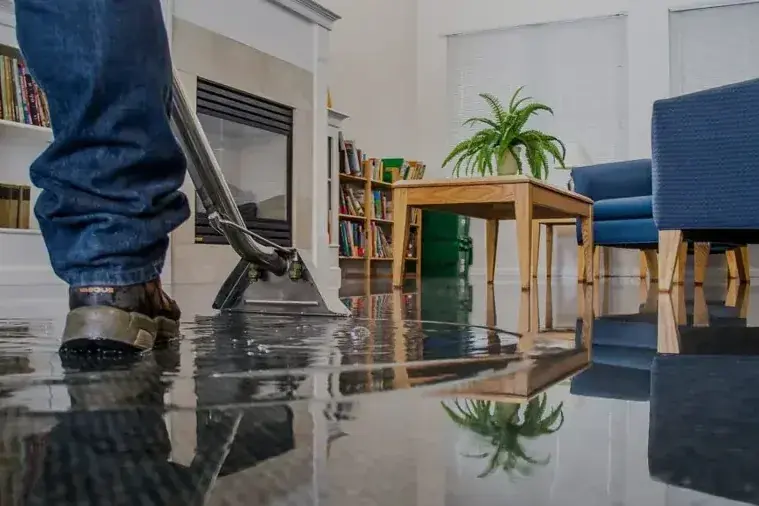 01Water Extraction and RemovalPumps and wands lift standing water from carpet, pad and hard floors after a creek backup or a main break.Open the service ›
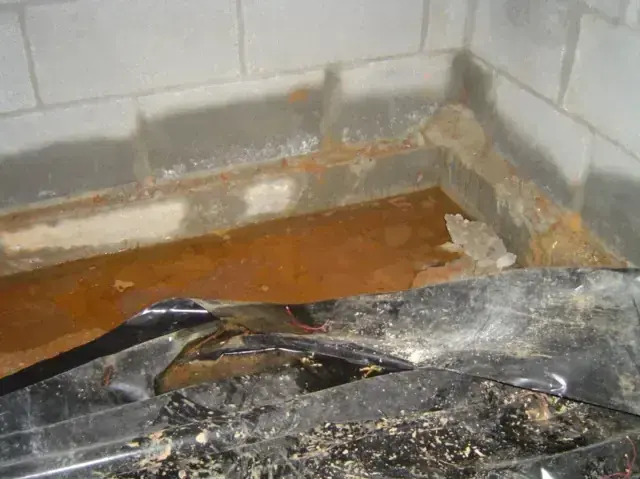 02Crawl Space Water RemovalPumps clear water from under the house, wet insulation comes out and the joists dry through the long rainy season.Open the service ›
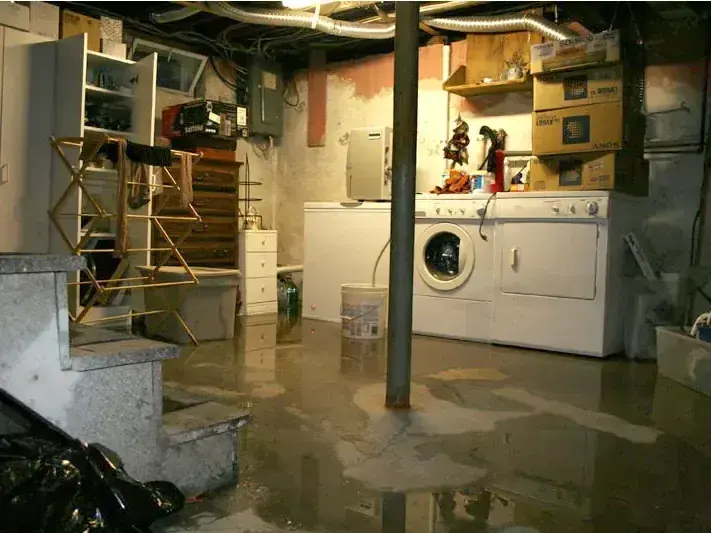 03Basement Flooding CleanupLower levels are emptied, flood cut where needed and dried, with attention to runoff that entered from outside.Open the service ›
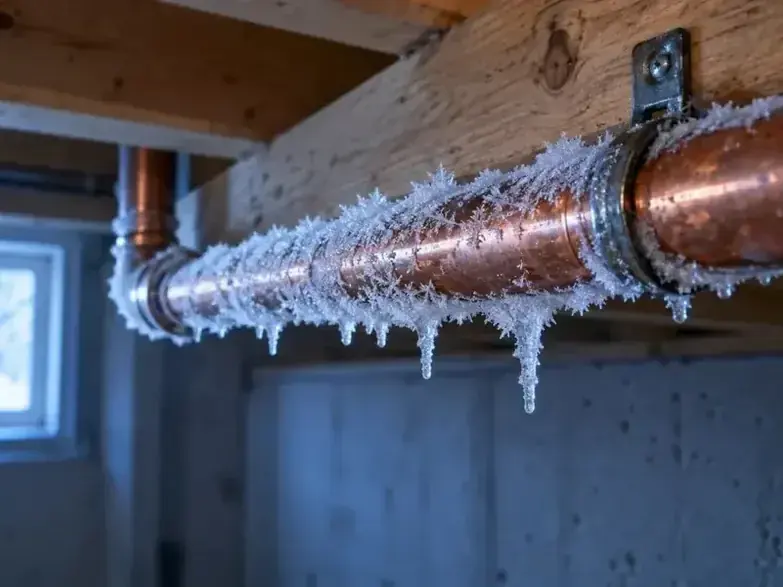 04Frozen Pipe Water DamageCold snaps split exposed pipes in attics, garages and crawl spaces, and the crew opens only what the leak soaked.Open the service ›
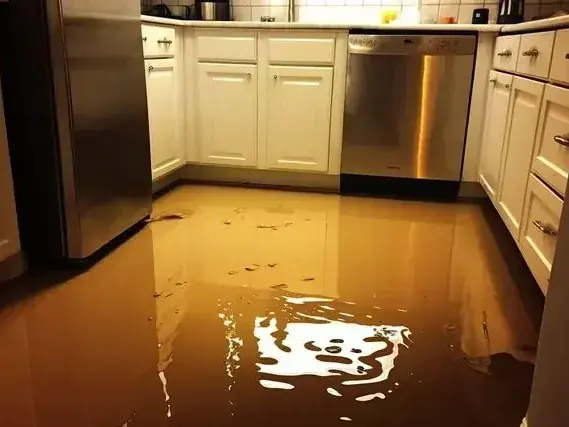 05Burst Pipe Water DamageA split supply pipe can soak two floors fast, so the water is stopped, extracted and the cavities dried.Open the service ›
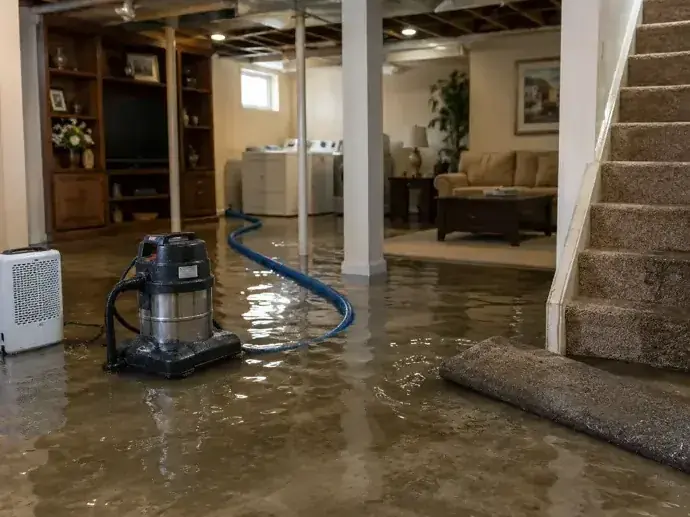 06Storm Water DamageWind-driven rain and storm runoff are pumped out, then wet pad, trim and drywall are removed and dried.Open the service ›
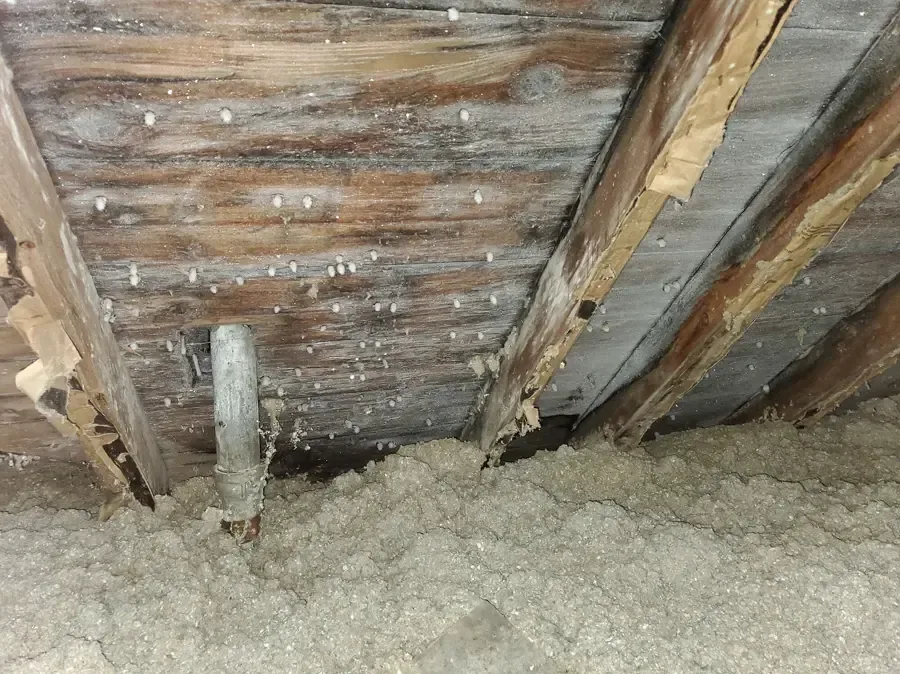 07Roof Leak Water DamageWet insulation and stained ceilings under a leaking roof are removed and dried before the damage reaches the framing.Open the service ›
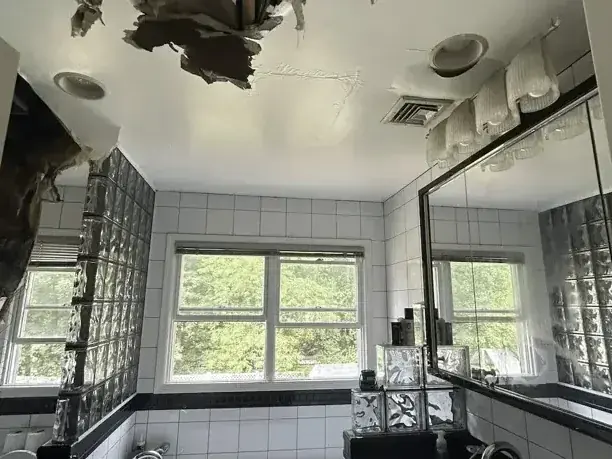 08Ceiling Leak Water DamageDripping or bulging ceilings are drained, the source is traced and the wet cavity is opened and dried.Open the service ›
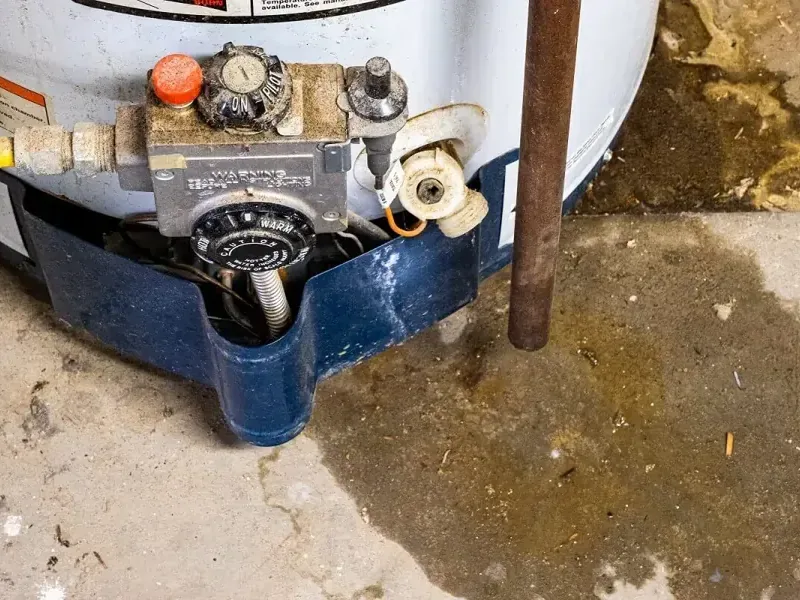 09Water Heater Leak CleanupA leaking tank is cleaned up from the garage floor, closet or crawl space below, and wet wall bottoms are dried.Open the service ›
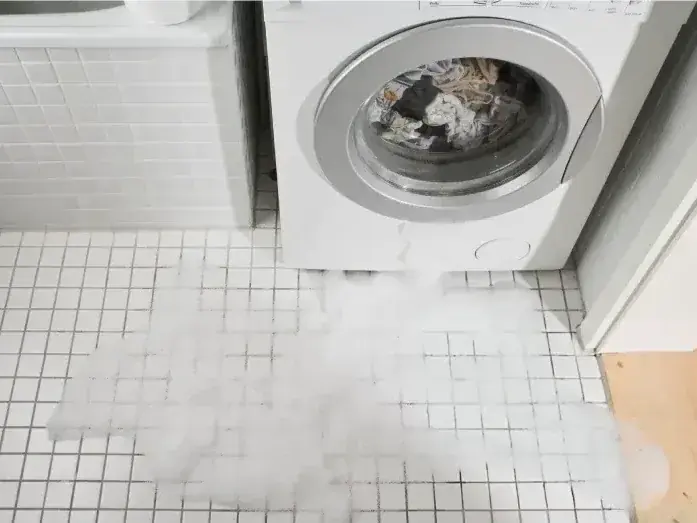 10Appliance Leak Water DamageWasher, dishwasher and fridge leaks are dried out from under cabinets and across the floor.Open the service ›
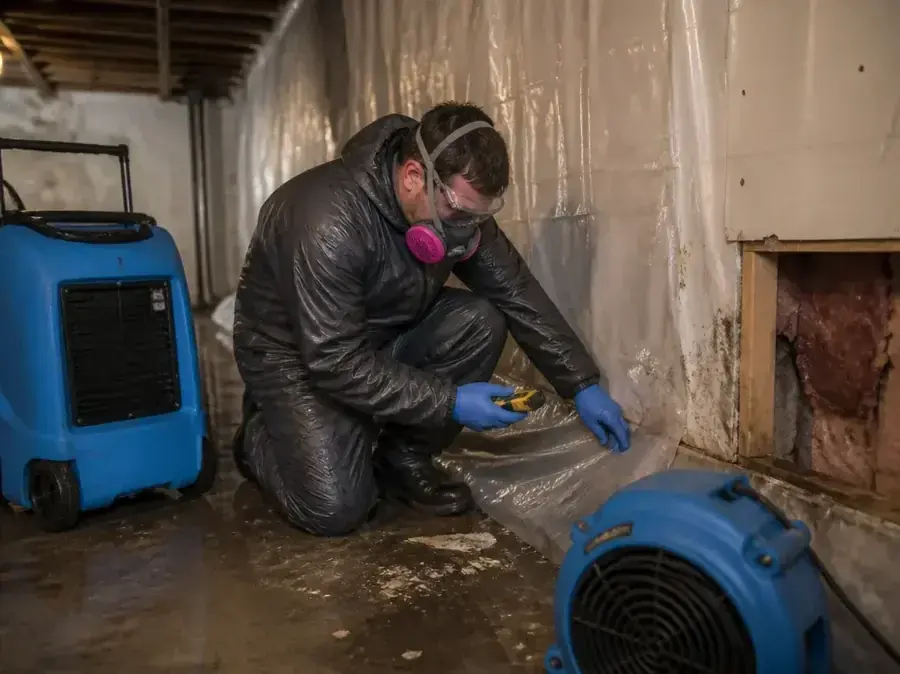
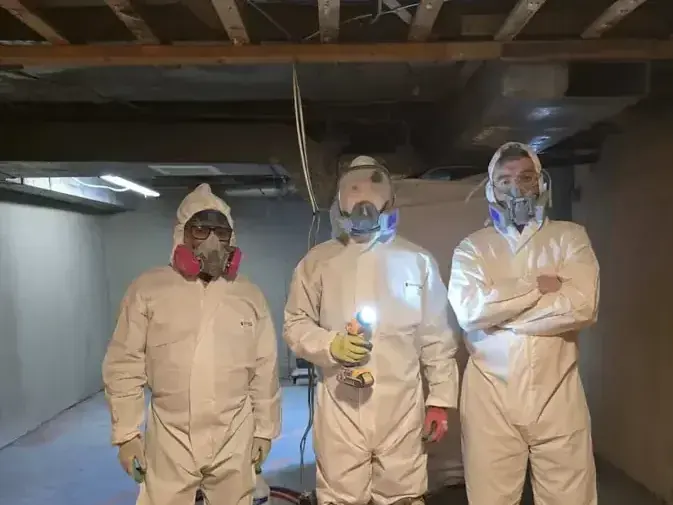 11Sewage Backup CleanupSewage backups get contaminated materials removed, surfaces cleaned and treated, and the area dried behind containment.Open the service ›
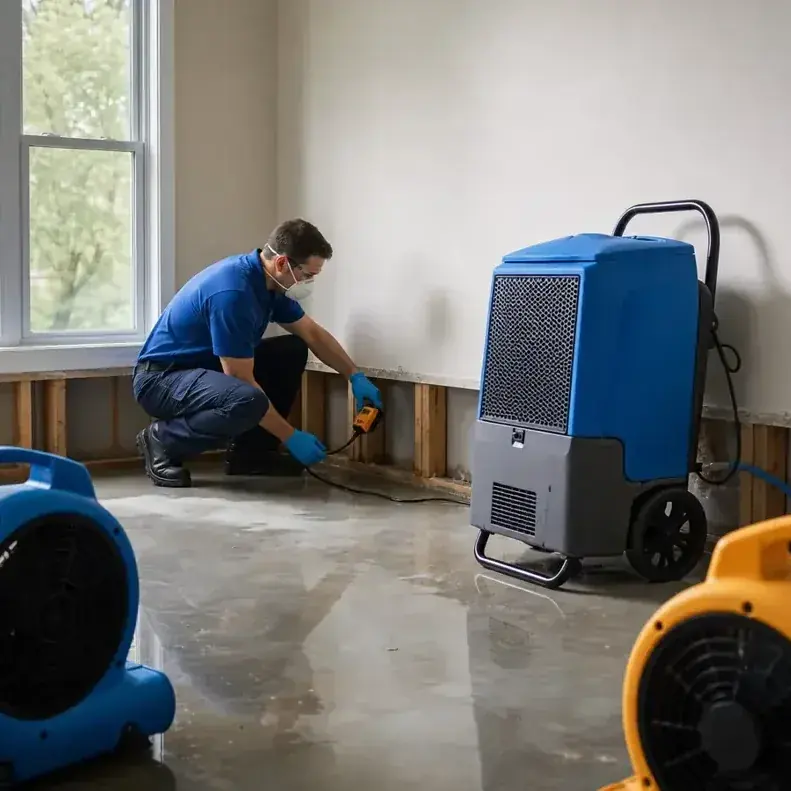 12Structural Drying and DehumidificationAir movers and dehumidifiers dry framing and subfloor to target readings before anyone starts rebuilding.Open the service ›
Water work from people who know the area
Every job runs in order: stop the source, remove the water, dry to a reading and keep records an adjuster can use.
Rapid local response
Dispatch stays open at all hours, and crews head to any West Linn neighborhood once the job is booked.
IICRC S500 drying standard
Wet materials are measured, equipment is placed to a plan and readings are logged until the framing reaches a dry target.
Claim-ready documentation
Dated photos, moisture maps and equipment logs are kept for the adjuster, so the file is built while the work happens.
Local water know-how
The crew knows how creeks, wet winters and steep streets shape jobs here, starting with water extraction and pump-out basics.
Four stages from wet floor to dry framing
Each stage is logged, so the result can be shown and not just promised.
- Stop and assess. The source is shut off, the water category is judged and meters and a thermal camera map where the moisture traveled.
- Pump it out. Extractors and pumps pull standing water, then carpet and pad are lifted or treated depending on how dirty the water was.
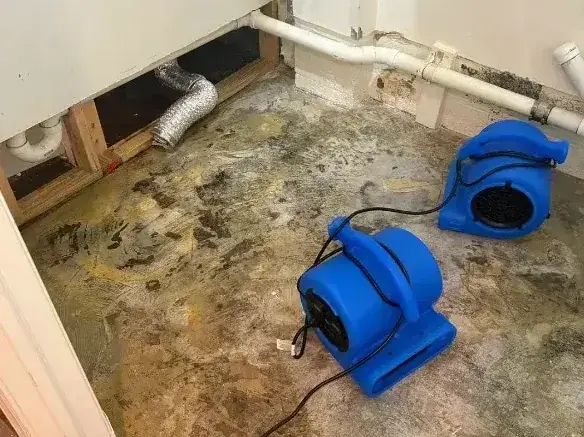
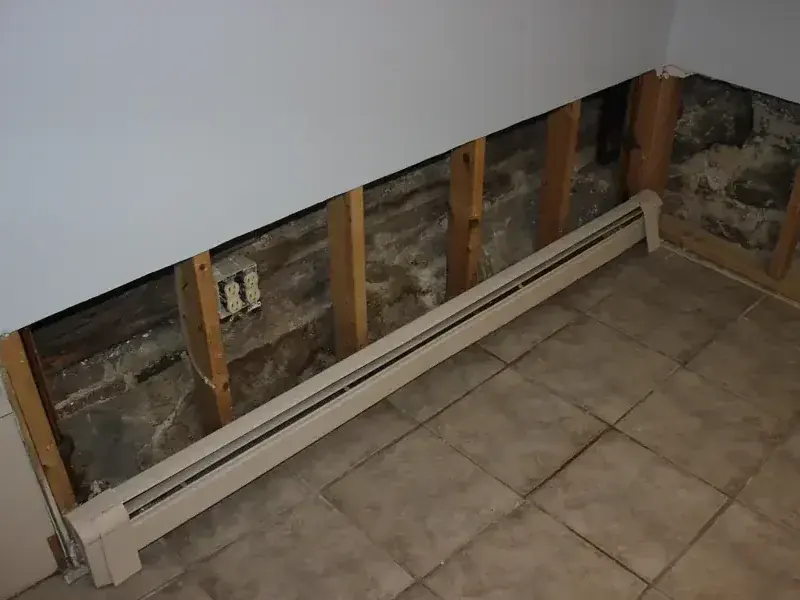
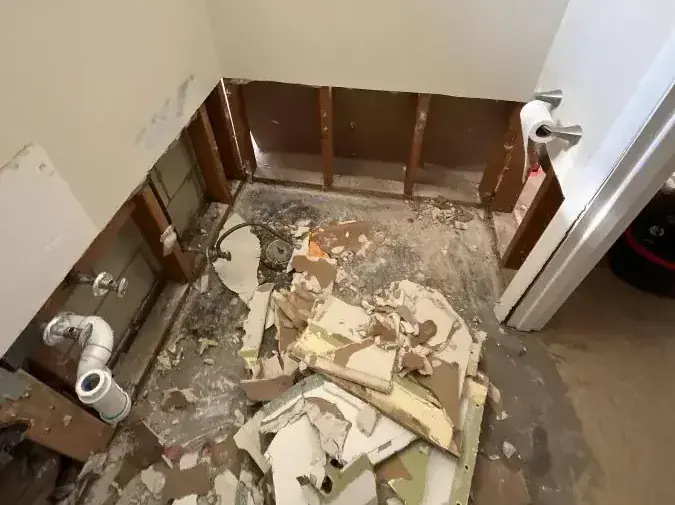
- Open and clean. Wet baseboards and lower drywall are cut back, damp insulation is bagged and the exposed surfaces are cleaned.
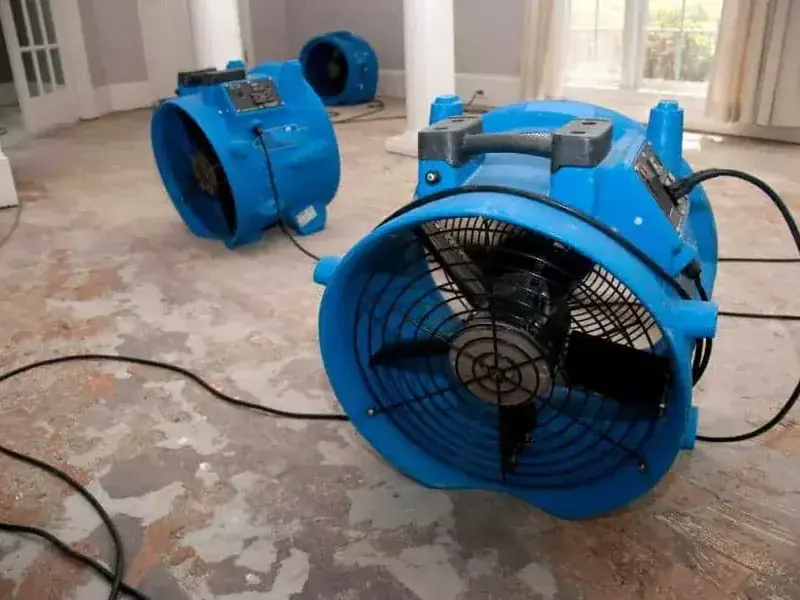
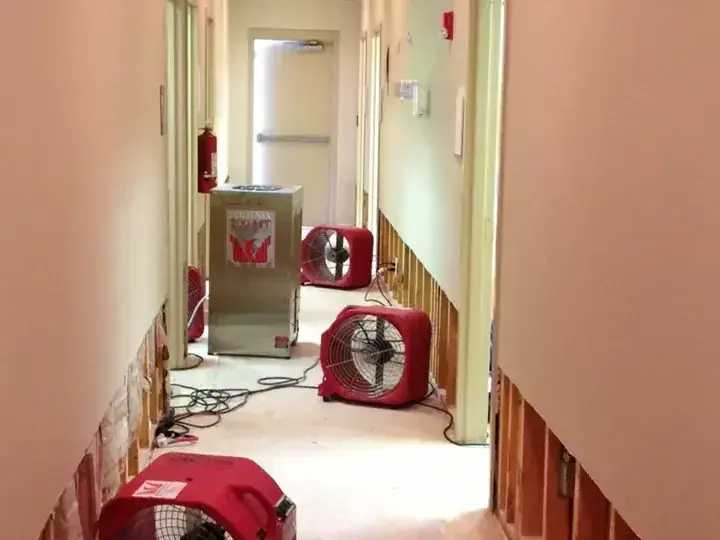
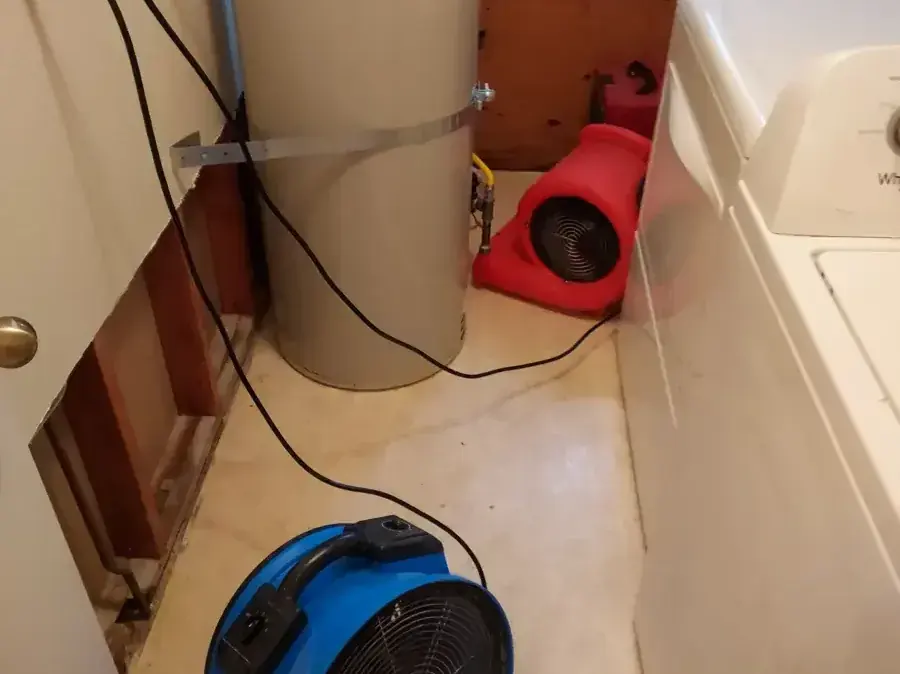
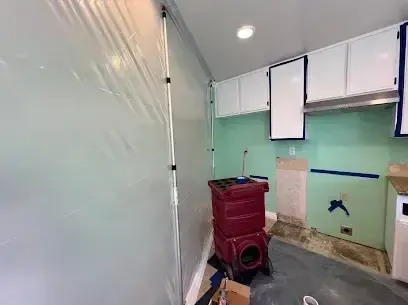
- Dry and verify. Air movers and dehumidifiers run while daily readings track the framing down to a dry target before equipment leaves.
The kind of water decides what gets removed
Clean, gray and black water each call for a different level of removal, cleaning and protection.
Clean water
A supply pipe, a tank or a rain leak starts out clean, so fast extraction often saves carpet, pad and cabinets.
Burst pipe water damage ›Gray water
Washers, dishwashers and tubs carry soap and dirt, so affected pad and base materials are usually removed.
Appliance leak drying ›Black water
Sewage and creek runoff carry bacteria, so porous materials come out and every surface is cleaned and treated.
Sewage backup cleanup ›What water damage restoration usually costs here
A small clean-water leak can run about $1,200 to $3,000, while contaminated or multi-room losses reach $8,000 to $15,000. How far the water spread, whether it was clean or contaminated, and the days of drying needed set the final figure for the job.
Small clean-water leak
$1,200 to $3,000One room or wall of clean water, extracted and dried with a few air movers.
Several rooms
$3,500 to $7,500Water that crossed a floor, with wet pad and lower drywall removed and several days of drying.
Contaminated or two-level loss
$8,000 to $15,000Sewage or runoff, or water that reached a second floor, with removal, cleaning and containment.
Every price rests on scope, so the written scope after the visit is the figure to trust, as water extraction costs show.
Working with your insurance
Policies often treat sudden leaks differently from slow seepage, so the record should show when and how the water started.
- The date and time the water was first found
- Photos of every wet room and damaged item
- Moisture readings for each affected wall and floor
- An itemized list of materials that were removed
- Equipment logs with daily dry-out notes attached
When a claim is filed, the adjuster usually wants photos, readings and a clear scope, and the crew keeps all three current as the job moves so nothing is rebuilt later.
Pump-out and drying are the emergency stage, and rebuild estimates come afterward, so records from the first stage are best kept apart from them.
Typical dry-out work, shown step by step
West Linn neighborhoods and corridors served
Crews cover the whole city, from Willamette and Bolton near the river up to the hillside streets.
ZIP code covered
West Linn homes share this one ZIP code, and crews cover all of it.
How to reach the crew from any part of town
Call or send a request and describe the water, and dispatch sorts out the equipment needed.
Photos of the wet area help the crew plan the right pumps before the truck leaves.
Neighborhoods
- Barrington Heights
- Bolton
- Hidden Springs
- Marylhurst
- Parker Crest
- Robinwood
- Rosemont Summit
- Savanna Oaks
- Skyline Ridge
- Sunset
- Willamette
Corridors
- Highway 43
- Willamette Drive
- Willamette Falls Drive
- Salamo Road
Where West Linn water trouble starts
The Willamette River forms the east border and the Tualatin River the southwest one, while Trillium Creek, Johnson Creek and Tanner Creek sit at the bottom of three large drainages. About 75 percent of the city's rain falls from October to March, and about 42 percent of the land is hard surface such as streets, roofs and sidewalks that sheds it fast.
February 1996 The largest flood to reach West Linn came when high water in the Tualatin and Willamette rivers kept tributaries from draining, and localized flooding followed along several backed-up creeks.
Water damage questions from local homeowners
How fast does water damage spread through a house?
Water wicks through carpet, pad and wall bottoms quickly, and damp drywall and framing can start supporting mold within 24 to 48 hours, so extraction and drying should begin as early as possible.
Does homeowners insurance pay for water damage?
Sudden, accidental water such as a burst pipe is often covered, while slow seepage and rising river water usually are not, since flood needs its own policy. The adjuster confirms what applies.
What causes most water damage in West Linn homes?
Roof leaks in the long wet season, pipes that fail in winter and worn appliance hoses are the usual sources inside the house, while creeks and runoff add water from outside, so the cause is traced before any wall is opened.
Is flood risk limited to the river areas?
About 3 percent of residents live in the floodplain, but the city says flood risk also exists outside it, from small streams and from ditches that enter culverts.
What should be done about a sewage backup?
Stay out of the area and bring in a cleanup crew right away, since sewage carries bacteria. The city asks residents to call Public Works on weekdays and LOCOM non-emergency dispatch after hours.
How long does drying usually take?
A typical room needs several days of air movers and dehumidifiers, and the crew keeps drying until readings in the framing match a dry reference, since a surface that feels dry can still hold water.
Can soaked carpet be saved?
Carpet and pad hit by clean water and extracted fast can often be dried in place. Gray or black water means the pad, and sometimes the carpet, has to be removed.
Where is the water shutoff valve?
Most homes have a master shutoff where the supply enters, and the Clackamas River Water Providers advise knowing where it is before a winter freeze arrives.
Who handles a water main break in the street?
The city Public Works Water Division runs the local system, and crews fixed breaks on Old River Drive and Apollo Road in July 2012. Water inside the house is a separate problem, stopped at the home's own shutoff valve.
How can pipes be protected before winter?
Drain outdoor hoses, insulate pipes in attics, unheated garages and crawl spaces, and learn the master valve. See frozen pipe water damage for what a freeze can do.
Get the water out before it spreads
Describe the water, the room and when it started, and dispatch will set up the right pumps, drying equipment and records for the claim.
(888) 373-8814Start my West Linn dry-out