Water Damage Restoration Gladstone, OR
Burst pipes, failed appliances and rain that finds its way indoors leave water under flooring and inside walls in Gladstone, and the restoration team extracts it and dries the structure to a set target.
Protect the house until the crew gets there
These four moves limit the damage before the drying crew starts.
Stop the water source
Close the supply valve for a leaking pipe, appliance or fixture, or shut the water heater off. The main shutoff is the fallback when no valve is within reach.
Switch off nearby power
If water reaches outlets, cords or the panel, turn off those circuits only when the breaker is dry and reachable. Otherwise stay out and wait for an electrician.
Document everything
Take dated photos and video of the water, the damaged belongings and any wet walls before anything moves. These records support the insurance claim later.
Lift what you can
Move rugs, small furniture and electronics to a dry room, and tuck foil or wood blocks under heavy legs. Keep pets and kids off the wet floor.
Water services for Gladstone homes
Twelve kinds of water loss get their own crew approach here, from a pinhole leak behind a wall to a flooded lower level or a backed-up drain.
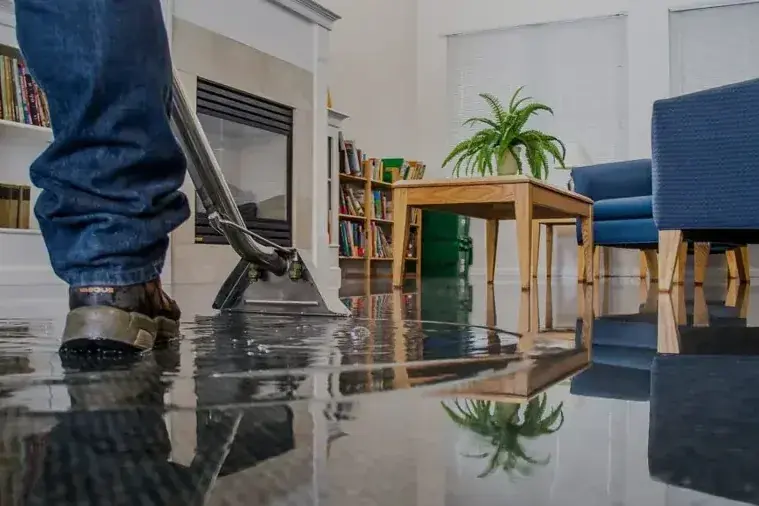 01Water Extraction and RemovalPumps and extraction wands pull standing water out of carpet, pad, tile and subfloor before any drying equipment goes in.Open the service ›
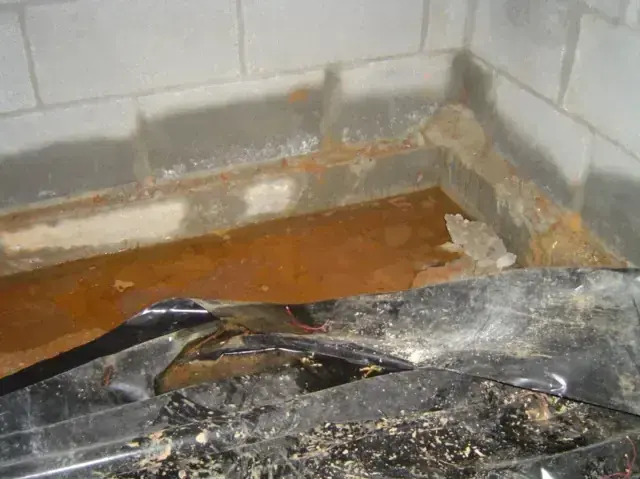 02Crawl Space Water RemovalPooled water is pumped out, wet insulation is pulled and the framing is dried below the floor.Open the service ›
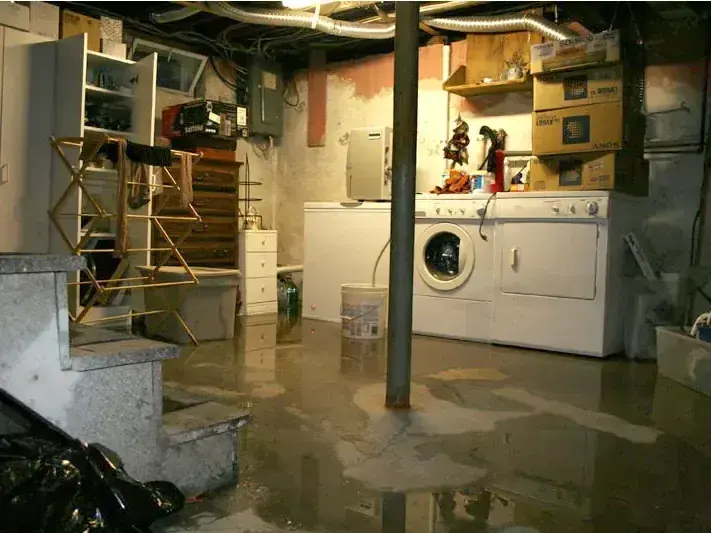 03Basement Flooding CleanupFlood cuts, carpet removal and deep extraction for a flooded lower level, with extra care for contaminated runoff.Open the service ›
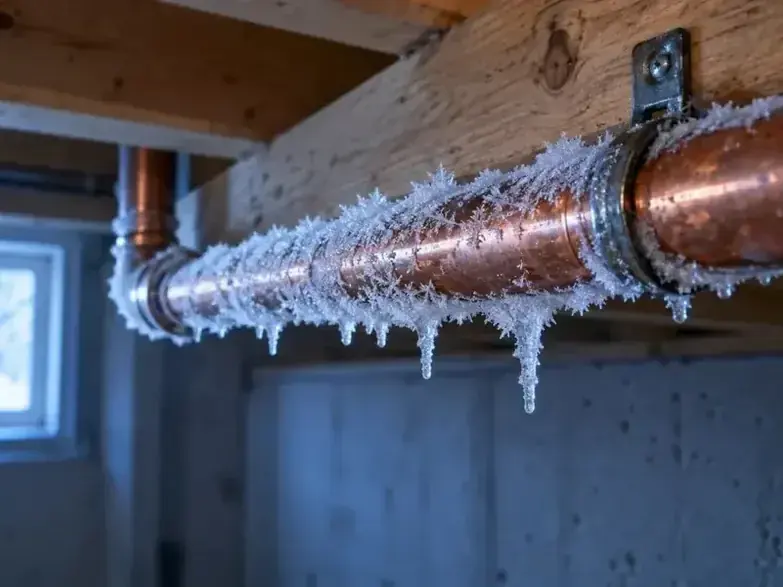 04Frozen Pipe Water DamagePipes that split in a hard freeze leak at the thaw, and the wet cavity and floor are dried.Open the service ›
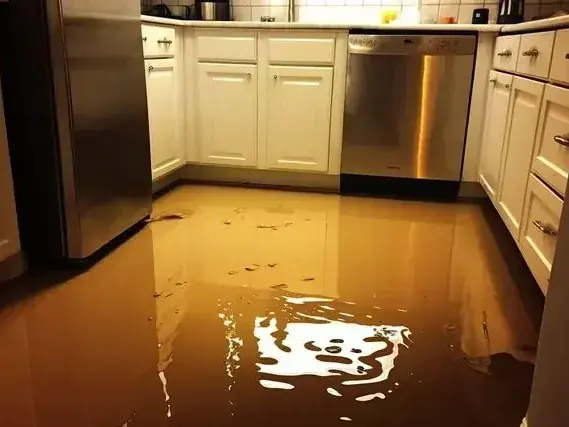 05Burst Pipe Water DamageSoaked floors and wall cavities are extracted and dried after a supply pipe fails, with the break located first.Open the service ›
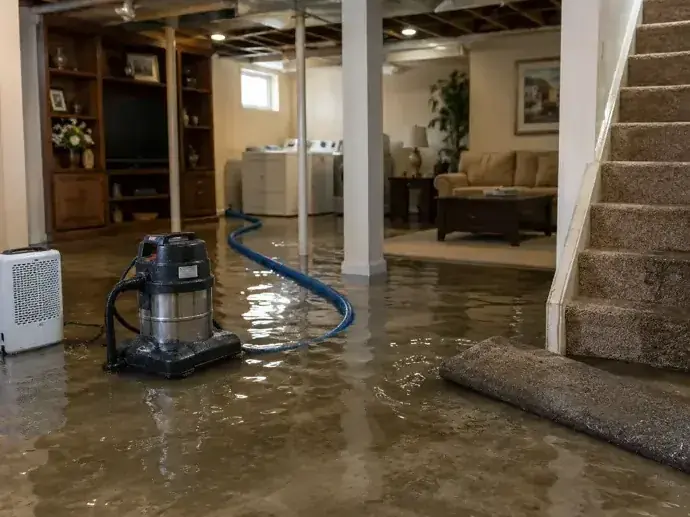 06Storm Water DamageRain driven past windows, doors or flashing is extracted, and soaked drywall and pad come out.Open the service ›
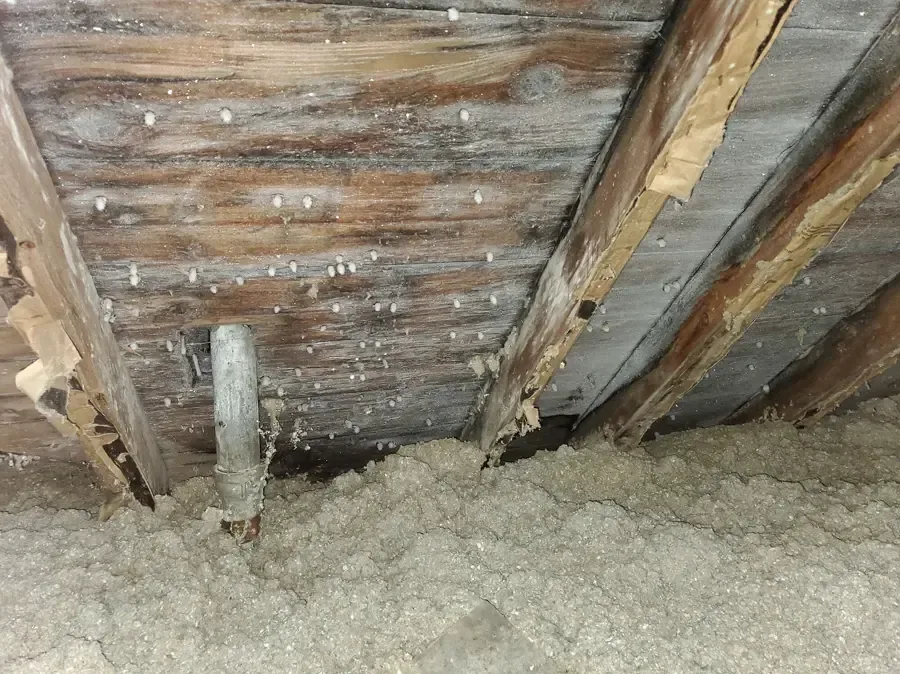 07Roof Leak Water DamageDamp insulation is pulled, the stained ceiling is opened and the framing under a failed roof area is dried.Open the service ›
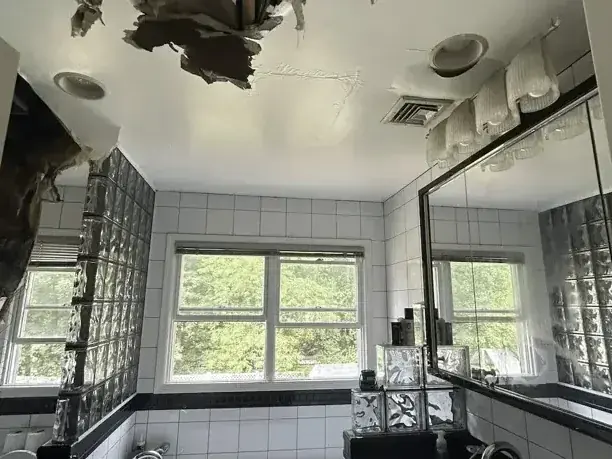 08Ceiling Leak Water DamageSagging or stained ceilings are drained and opened, then the joist bay, insulation and the room below are dried.Open the service ›
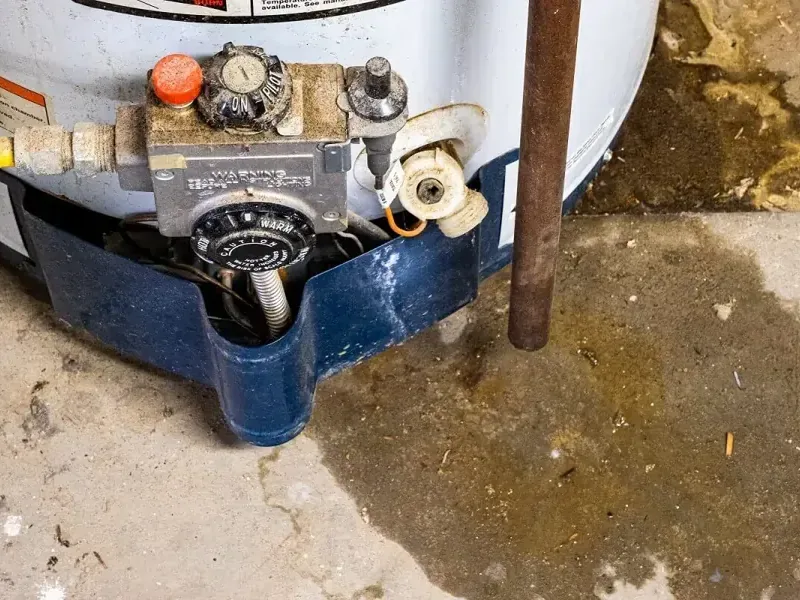 09Water Heater Leak CleanupTank leaks spread into closets, hallways and subfloor, so the water is extracted and shared walls dried.Open the service ›
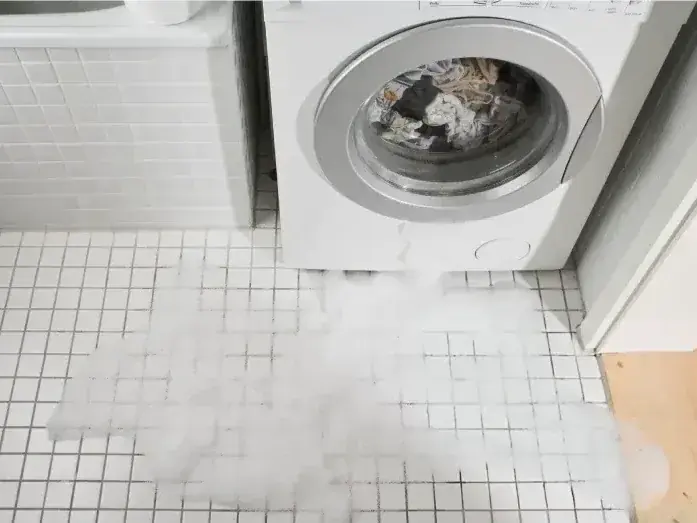 10Appliance Leak Water DamageWashers, dishwashers and refrigerator supply hoses leak under cabinets and floors, so the wet areas are dried.Open the service ›
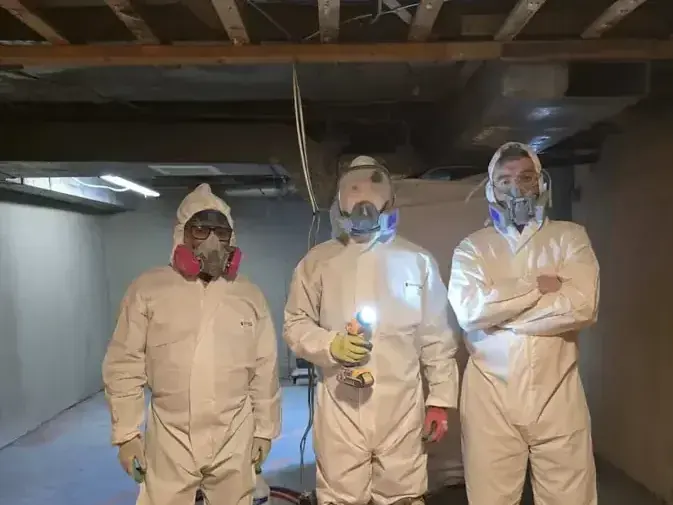 11Sewage Backup CleanupSewage is pumped out, tainted materials are cut away and every surface is sanitized before any drying begins.Open the service ›
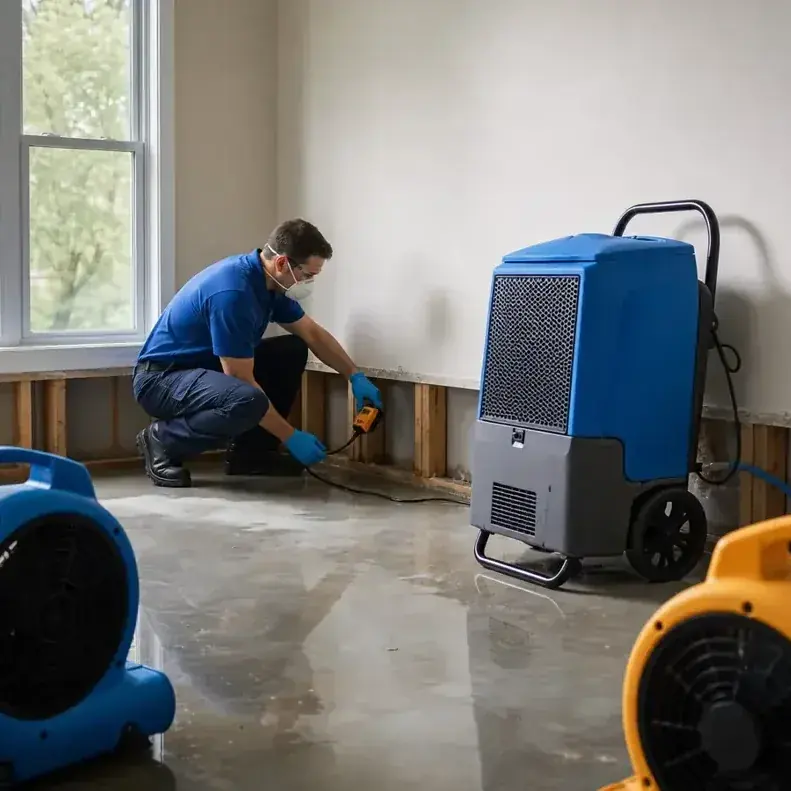 12Structural Drying and DehumidificationAir movers, desiccant units and dehumidifiers run until moisture readings in framing and flooring reach a dry standard.Open the service ›
Why local water damage crews matter here
Water damage grows by the hour, and a crew that knows the area, the weather and the paperwork keeps losses small.
Rapid local response
Dispatch runs through nights, weekends and holidays, and crews bring pumps, meters and drying equipment to start the first visit.
IICRC S500 drying standard
Drying follows the S500 method: psychrometric readings, equipment placed by wet area and moisture checks logged until materials test dry.
Claim-ready documentation
Photos, moisture logs and equipment records are organized so the adjuster sees what was wet, what was removed and why.
Local water know-how
Where the Clackamas and Willamette rivers meet, wet winters and storm-stressed drains shape the calls, so crews plan for runoff and sewage.
Every job runs on the same S500 steps
Four stages carry each job from the first pump to the final reading.
- Inspect and map. Moisture meters and a thermal camera mark where water traveled, including areas that look dry on the surface.
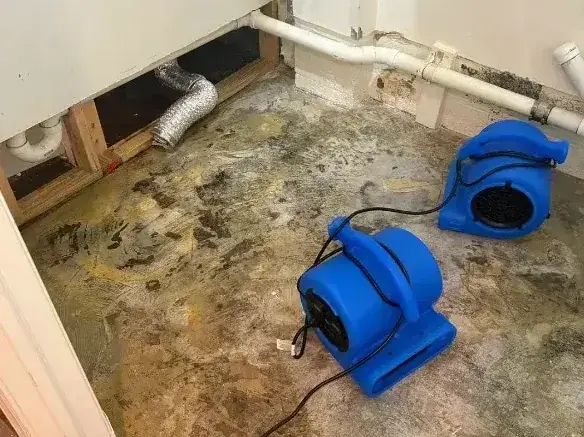
- Remove the water. Pumps and extraction wands take out standing water, then wet pad and soaked drywall are cut away when needed.
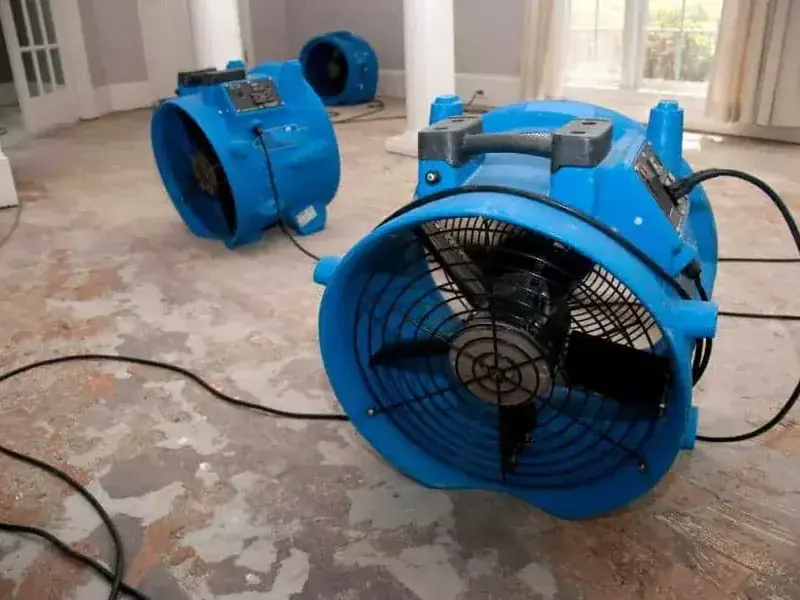
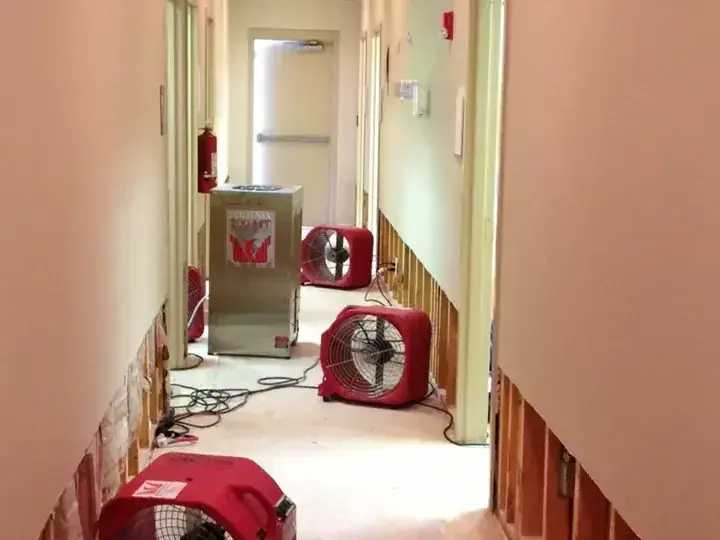
- Set the drying equipment. Air movers and dehumidifiers are placed by the wet area and the materials, with desiccant units for dense or slow-drying floors.
- Verify and document. Readings are logged each visit, and equipment leaves only once framing and flooring match dry targets.
Clean, gray or black water changes how the job runs
The water category decides what is removed, how it is cleaned and how it is contained.
Clean water from supply pipes
A split supply pipe or a failed fitting releases clean water, which dries well when extracted early.
Burst pipe water damage ›Gray water from appliances
Washer and dishwasher leaks pick up soap and grime, so affected pad and cabinet bases are removed or treated.
Appliance leak water damage ›Black water from sewage
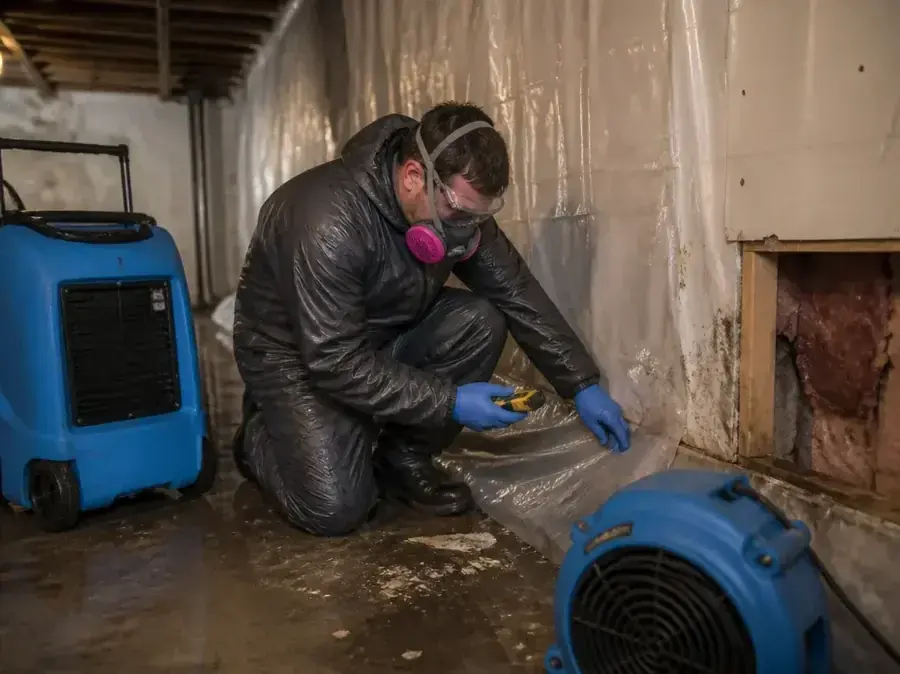
Backed-up drains carry bacteria, so crews contain the area, discard soaked porous materials and sanitize what remains.
Sewage backup cleanup ›How much water damage restoration costs here
Most jobs run from about $1,200 for a small clean-water leak to $15,000 when sewage or a flooded lower level is involved. The final figure follows the area that got wet, the water category, the materials that must come out and how many days of drying the readings call for.
Small clean-water leak
$1,200 to $3,000One room or wall cavity from a supply pipe or fixture, extracted and dried with a few days of equipment.
Several rooms affected
$3,500 to $7,500Water that crossed a floor, with carpet, pad and some drywall removed and a longer drying run.
Sewage or flooded lower level
$8,000 to $15,000Contaminated water with containment, removal, sanitizing and extended drying across a full level.
These ranges are typical, and the written scope after the first inspection sets the real number for each home.
Working with your insurance claim
Adjusters look for the cause, the damage and the work done, and the records show each.
- Dated photos and video of every wet room, taken before cleanup
- Moisture readings logged on every drying visit
- The cause of the loss, described plainly
- A list of removed materials, each paired with a photo
- Equipment records showing what ran, where it ran and how many days
Report the loss to the carrier promptly, keep damaged items until the adjuster has seen them, and ask what the policy says about sudden water versus long-term seepage.
Backups and surface flooding often sit under different policy terms than a burst pipe, so the cause should be noted early.
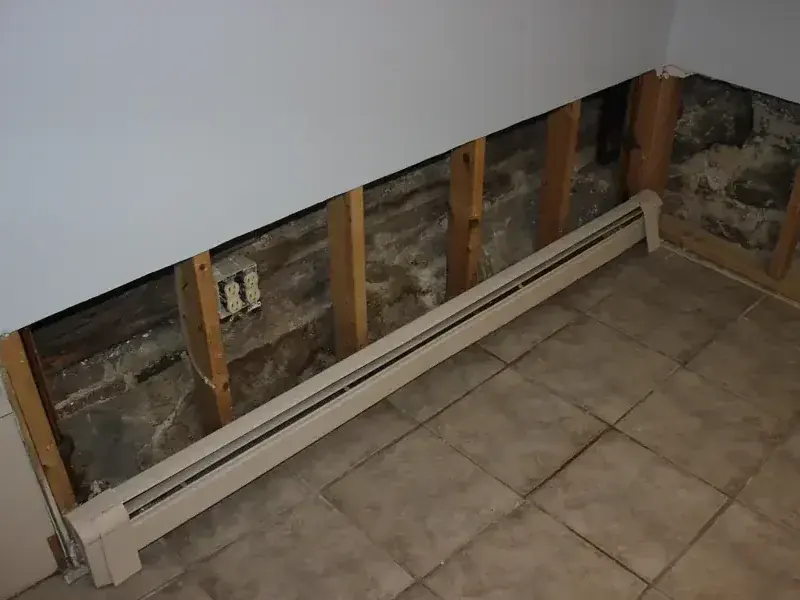
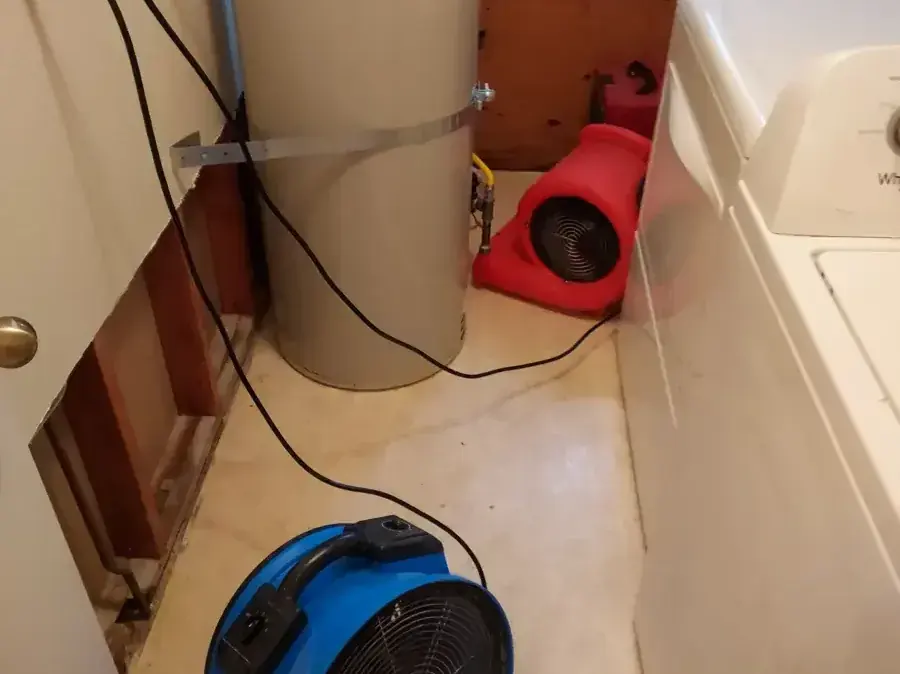
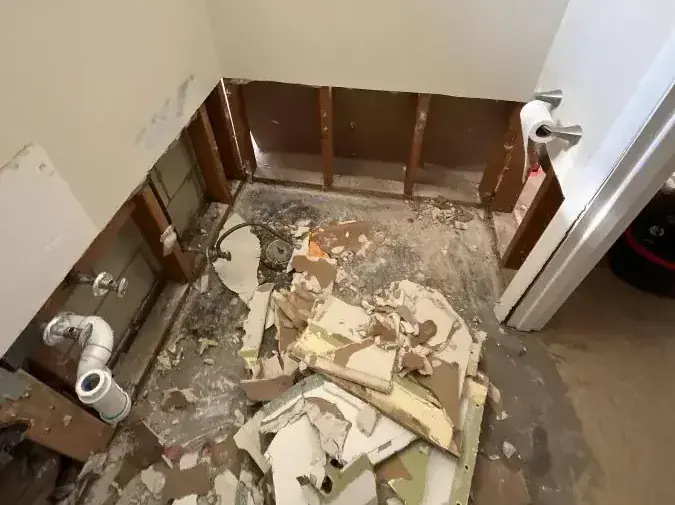
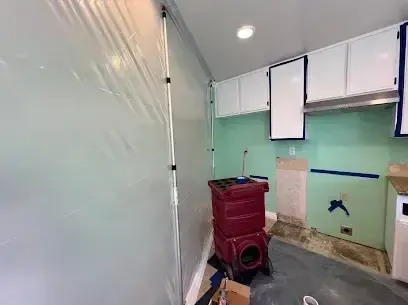
What equipment and cut-outs look like on a typical water job
Where the crews work around town
Service covers the whole city, from the Portland Avenue core to the river parks.
ZIP codes covered
Homes and businesses throughout 97027 are covered by the same crews and methods.
Water damage anywhere in town, day or night
Storms, burst pipes and backed-up drains keep no business hours, so dispatch stays open all night and on weekends.
A crew can be sent to any address in the city.
Areas
- Downtown Gladstone
- McLoughlin Corridor
- Sherwood Forest
Corridors
- Portland Avenue
- McLoughlin Boulevard
- Highway 99E
- West Clackamas Boulevard
- River Road
- Interstate 205
Near the rivers
- Dahl Beach Park
- High Rocks Park
- Meldrum Bar Park
Why water trouble shows up in Gladstone
Gladstone sits where the Clackamas River meets the Willamette River, with Oregon City to the south and West Linn across the water. Wet winters keep the ground and the drains busy, and the city's sewer work aims to cut the rainwater that gets into sewer pipes. For homeowners, that mix means storm runoff, strained drains and ordinary plumbing failures all call for a plan.
December 19, 2025 An atmospheric river left the Clackamas River swollen, onlookers gathered at High Rocks Park, and the city posted that the rivers were high and moving fast, asking people to stay back from the water.
Common questions about water damage here
How quickly does water damage get worse?
Wet drywall, pad and framing start to break down fast, and mold can begin within 24 to 48 hours, so extraction and drying should start as soon as the source is stopped, since delay means more material to replace.
Can the crew help with my insurance claim?
The team documents the cause, the wet areas and every step of the work with photos and moisture logs, so the adjuster has a clear record, though the carrier decides coverage.
What happens if sewage reaches the house?
Sewage is treated as contaminated water: the area is sealed off, the water is pumped out, porous materials such as carpet and pad are removed, and hard surfaces are cleaned and sanitized before drying.
Has Gladstone seen sewer overflows after heavy rain?
Yes. Heavy rain pushed the sewer system to overflow near Portland Avenue and West Clackamas Boulevard in December 2015 and February 2017, with river advisories after each. A drain backing up inside a home is a separate emergency.
Who handles permits for repairs after a leak?
For permit questions, the city contracts with Clackamas County to administer building permits, including plumbing, and private drainage permits are issued through the Clackamas County Building Department, so it helps to ask before a larger repair begins.
Is drying needed if the floor looks dry?
Yes. Moisture hides in subfloor, framing and wall cavities long after the surface feels dry, and readings with a meter and thermal camera show whether the structure has actually reached its dry target.
Who is responsible when a rental leaks?
Lease terms and the cause of the leak decide that, and many local homes are rented, so landlords are often involved. The team records the source and damage clearly for whoever is responsible.
How long does professional drying take?
Most jobs run several days, set by the materials, the water category and daily readings. Equipment stays until framing and flooring read dry rather than for a fixed number of days.
Does the crew work nights and holidays?
Yes. Dispatch stays open through nights, weekends and holidays, since pipes burst and drains back up at any hour, and the crew arrives with pumps, meters and drying equipment ready, whatever the weather.
What if a pipe splits in cold weather?
A pipe that splits in cold weather releases water when it thaws, so the supply is shut off, the wet cavity is opened and the floor and walls are dried to target.
Get the water out and the drying started
The restoration team extracts the water, finds the moisture and builds the file the adjuster needs, so one request starts the whole process.
(888) 373-8814Send a drying crew to my door