Water Damage Restoration Milwaukie, OR
24/7 water damage restoration in Milwaukie, OR. The extraction crew pumps out creek and pipe water, and the drying team dries the structure to the IICRC S500 standard with every reading logged.
What to do while water is still coming in
Four moves that keep the damage smaller until the extraction crew is there.
Close the main valve
If a pipe or fixture is the source, shut the main water valve. When a creek is rising outside, move people and pets to higher ground first.
Kill power to wet rooms
Use the panel only if it stands in a dry spot. Never wade toward outlets, cords or a furnace sitting in water.
Document everything
Photograph each wet room, the source and the water height on the walls before anything gets moved or thrown out.
Raise what you can
Carry papers, photos, rugs and electronics upstairs or onto tables. Wet carpet and drywall stay put for the moisture readings.
Water Damage Restoration Services in Milwaukie, OR
Twelve services, each with its own page, cover creek overflow, frozen pipes after winter storms, leaks between attached units and the indoor failures every older home sees.
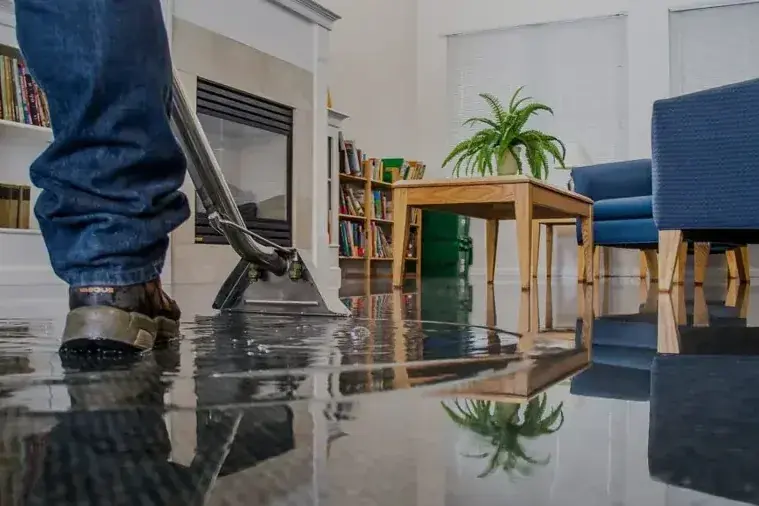 01Water Extraction and RemovalPumping comes first when a creek or a pipe leaves standing water inside. Floors and carpet are cleared before drying starts.Open the service ›
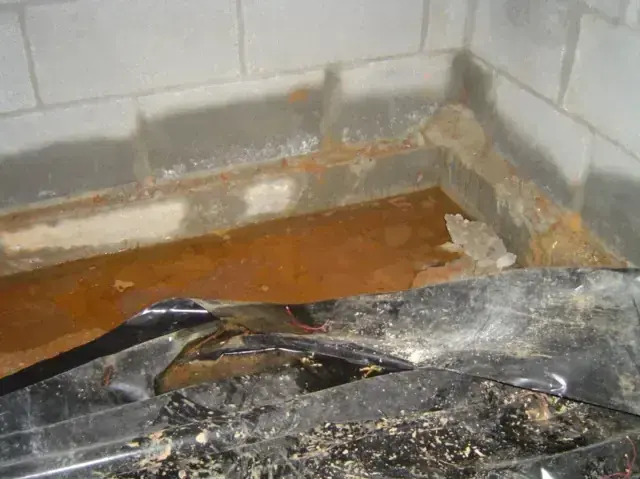 02Crawl Space Water RemovalWater collecting under the floor is pumped out, soaked insulation comes down and the framing gets dried.Open the service ›
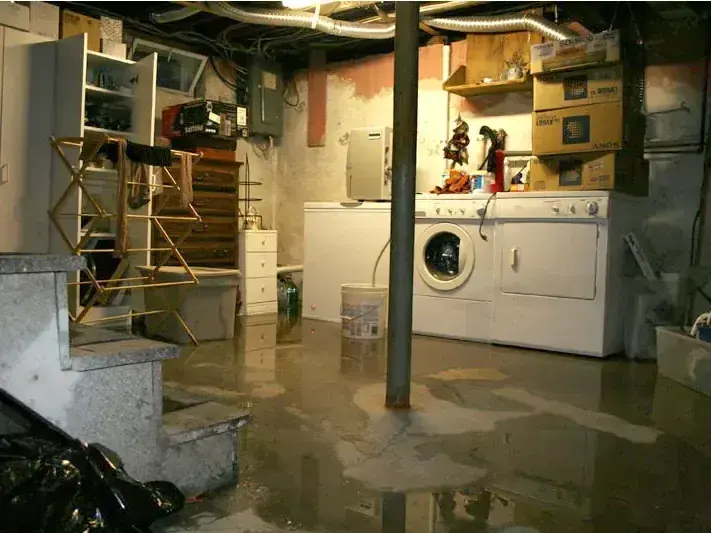 03Basement Flooding CleanupLower floors and garages reached by creek water are extracted, opened where needed and dried.Open the service ›
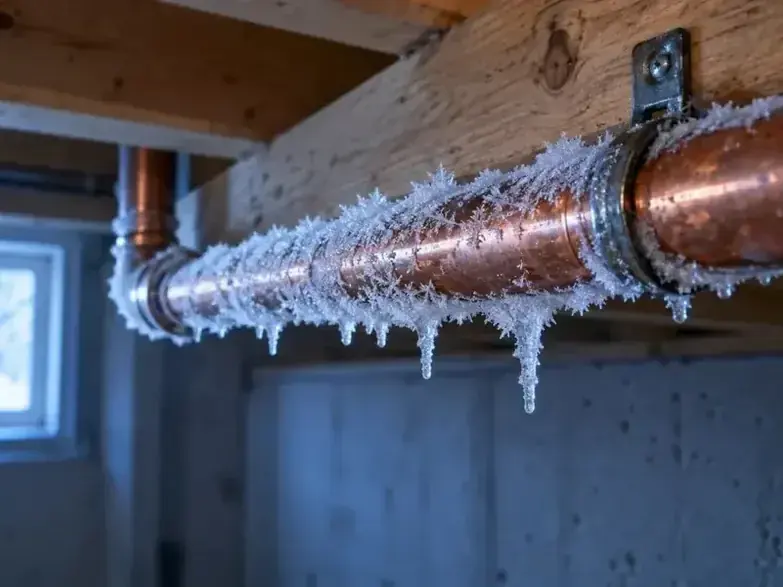 04Frozen Pipe Water DamagePipes that froze in a winter storm leak when they thaw. The water is removed and the walls dried.Open the service ›
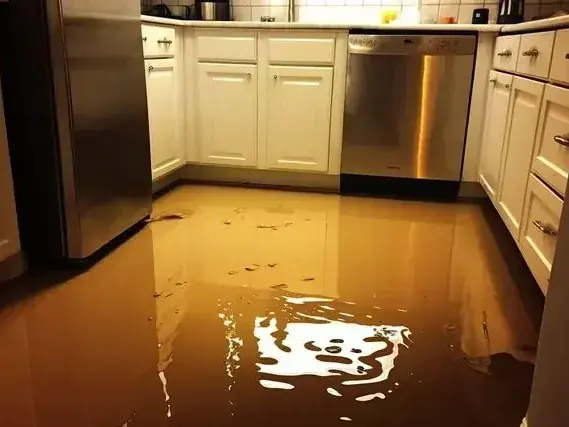 05Burst Pipe Water DamageA supply pipe gives out inside a wall or ceiling. Water off, extraction, then targeted drying.Open the service ›
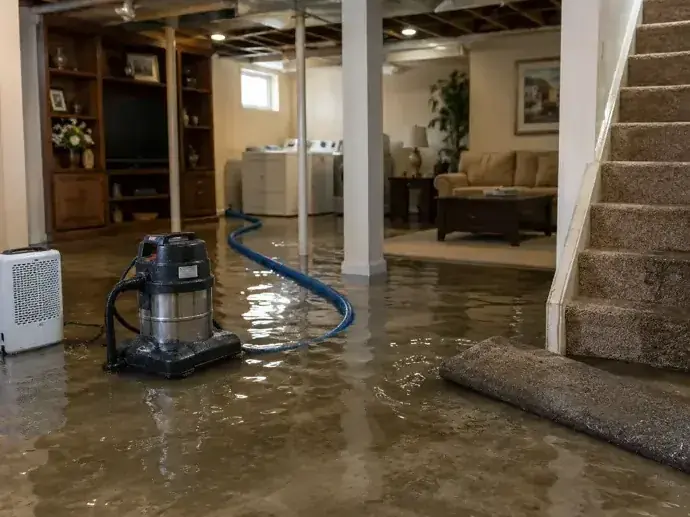 06Storm Water DamageHeavy rain pushed through doors, windows and walls is extracted and the rooms dried to a reading.Open the service ›
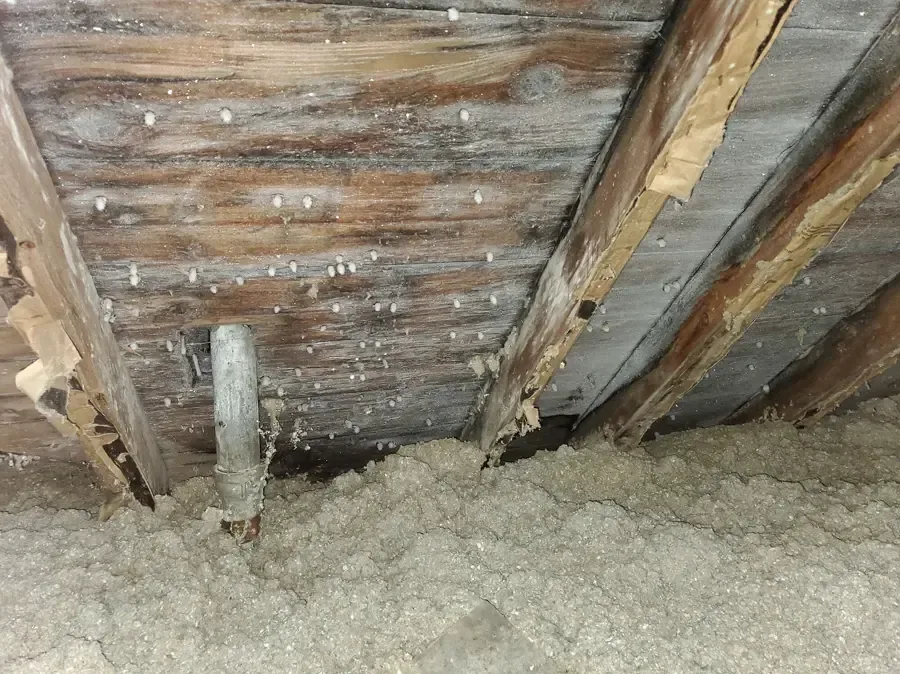 07Roof Leak Water DamageRain getting through an aging roof soaks attic insulation and ceilings; both get dried or replaced.Open the service ›
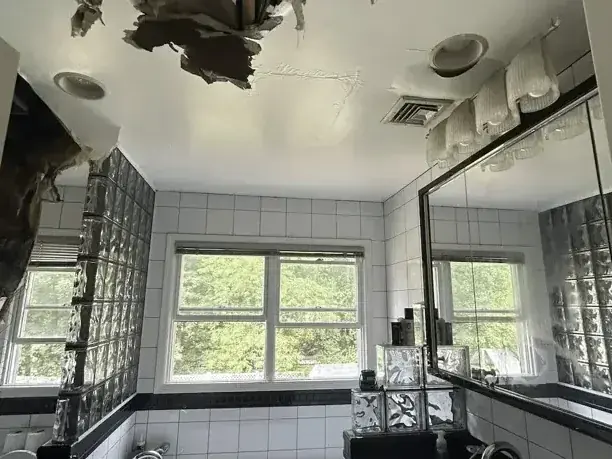 08Ceiling Leak Water DamageA leak in the unit or bathroom above comes through the ceiling. The cavity is opened and dried.Open the service ›
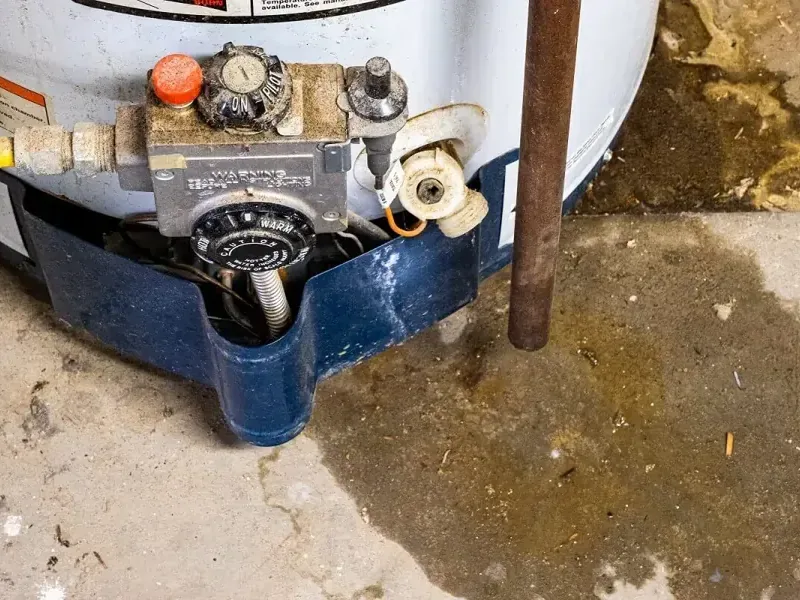 09Water Heater Leak CleanupA failed tank spills across the floor and into nearby walls, and extraction and drying follow.Open the service ›
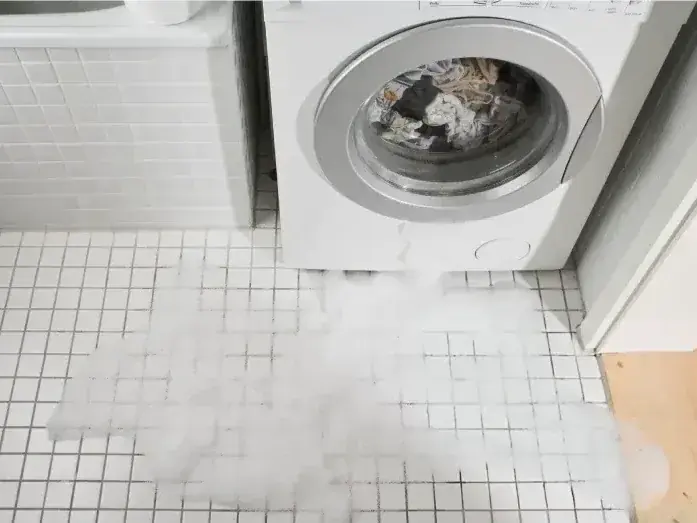 10Appliance Leak Water DamageWasher, dishwasher and ice maker leaks spread under floors and cabinets, often into shared walls.Open the service ›
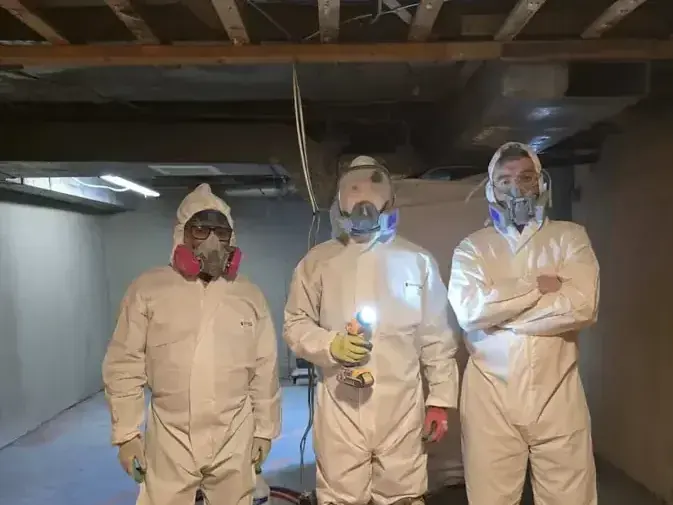 11Sewage Backup CleanupSewage is Category 3. Porous materials it touched are removed and every surface is treated.Open the service ›
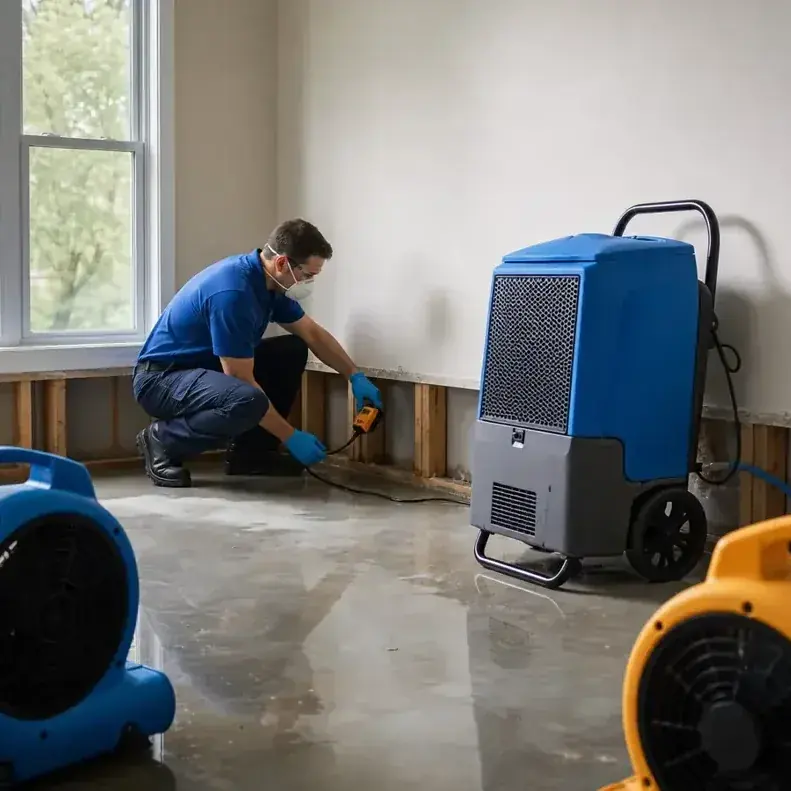 12Structural Drying and DehumidificationFraming, subfloor and floors are dried with dehumidifiers and air movers until readings hit the target.Open the service ›
How water losses are handled in this city
From a creekside flood to a slow closet leak, the same four commitments apply to every job.
Rapid local response
Dispatch never closes, and water moving inside a home gets urgent attention overnight, on weekends and on holidays.
IICRC S500 drying standard
The drying team works to the trade standard, sizing equipment to the class of loss and drying the structure, not just surfaces.
Claim-ready documentation
Timestamped photos, moisture maps and daily psychrometric logs start before demolition, so the adjuster sees the whole loss.
Local water know-how
Overflow from Kellogg Creek and Johnson Creek, winter freezes and leaks between attached units shape the plans here, as crawl space water removal shows.
Water damage dried to the IICRC S500 standard
No guessing: the dehumidifiers and air movers stay until the meters agree.
- Find the wet areas. Thermal imaging plus pin and pinless meters trace water under flooring, behind baseboards and inside wall cavities.
- Remove the water. Pumps and truck-mounted extractors take liquid water out first, which shortens every drying day after.
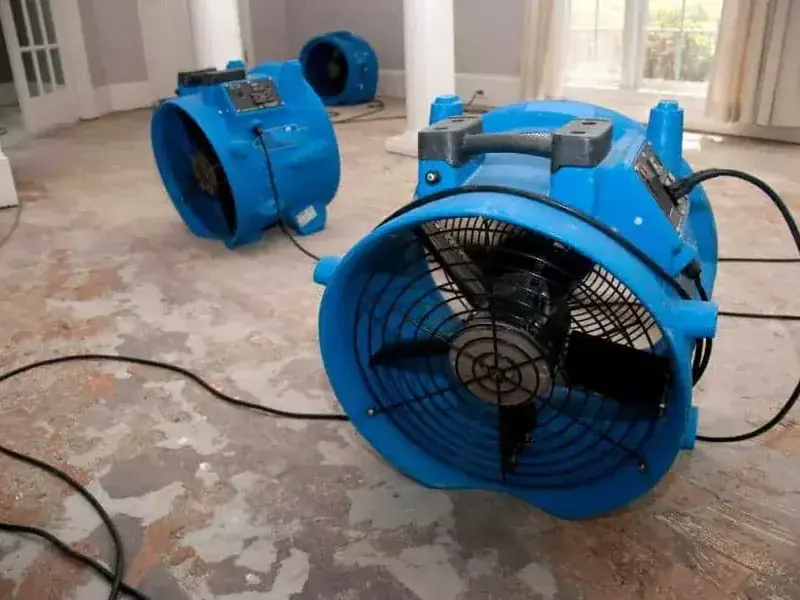
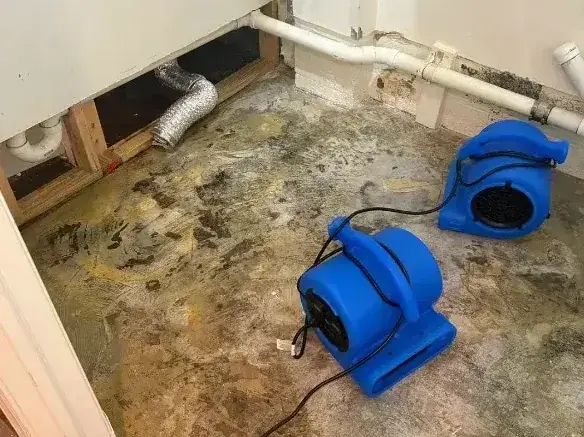
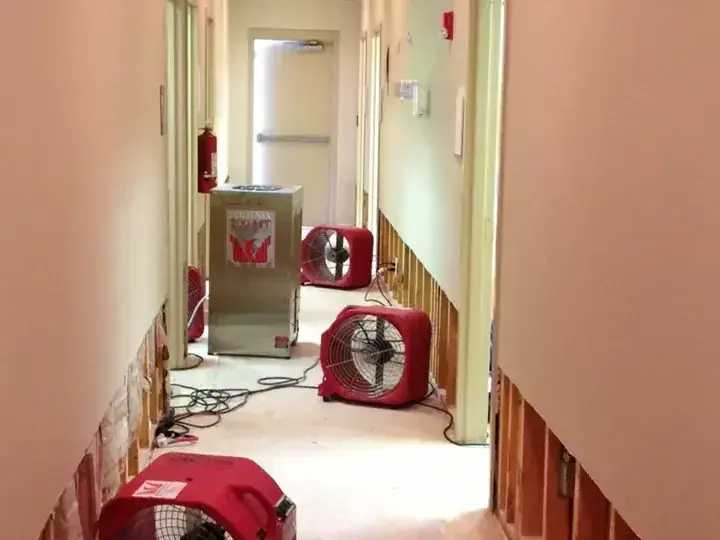
- Match equipment to the load. LGR dehumidifiers and air movers are placed room by room; desiccant units take on dense materials.
- Prove it is dry. Each day's readings go in the log until materials sit within 2 to 4 points of a dry reference.
Clean, gray and black water, each handled its own way
The category of water decides what dries in place and what gets removed.
Category 1: clean water
A burst supply pipe, a water heater or an ice maker. Fast extraction and dehumidification usually let materials dry in place.
Burst pipe water damage ›Category 2: gray water
Washer or dishwasher drain water and toilet overflow without waste. Pad is pulled and an EPA-registered antimicrobial goes on surfaces.
Appliance leak water damage ›Category 3: black water
Sewage and creek or river floodwater. Anything porous it touched comes out, with containment in place.
Sewage backup cleanup ›What does water damage restoration cost in Milwaukie, OR?
Most water damage restoration jobs in Milwaukie, OR run $1,200 to $8,000; creek floodwater, sewage or a soaked lower floor can push the total to $8,000 to $15,000 or more. The water category, the square footage, the materials and the time before drying began set the number.
Small clean-water leak
$1,200 to $3,000One room or a closet of clean water, extracted and dried where it sits over a few days.
A floor or several rooms
$3,500 to $7,500Water spread across a level, with wet pad, baseboards or insulation removed and flood cuts where readings call for them.
Creek water or sewage
$8,000 to $15,000Category 3 water in living space, with containment, removal of porous materials, cleaning and longer drying.
No two losses match, so the price varies. The cost calculator shows how each factor moves the typical range.
Documentation for your insurance claim
Adjusters decide water claims from the file, so the drying team builds it day by day:
- A moisture map that marks every wet floor, wall and ceiling
- Daily logs of temperature, humidity and material readings
- Photos with timestamps, taken before any demolition
- The category and class of water, recorded on day one
- An itemized scope of the mitigation work in the format adjusters use
Homeowners policies are generally written for sudden and accidental water, like a split pipe. Rising creek or river water counts as flood, which needs separate flood coverage.
What a policy pays for depends on its wording, so confirm the details with your own insurer.
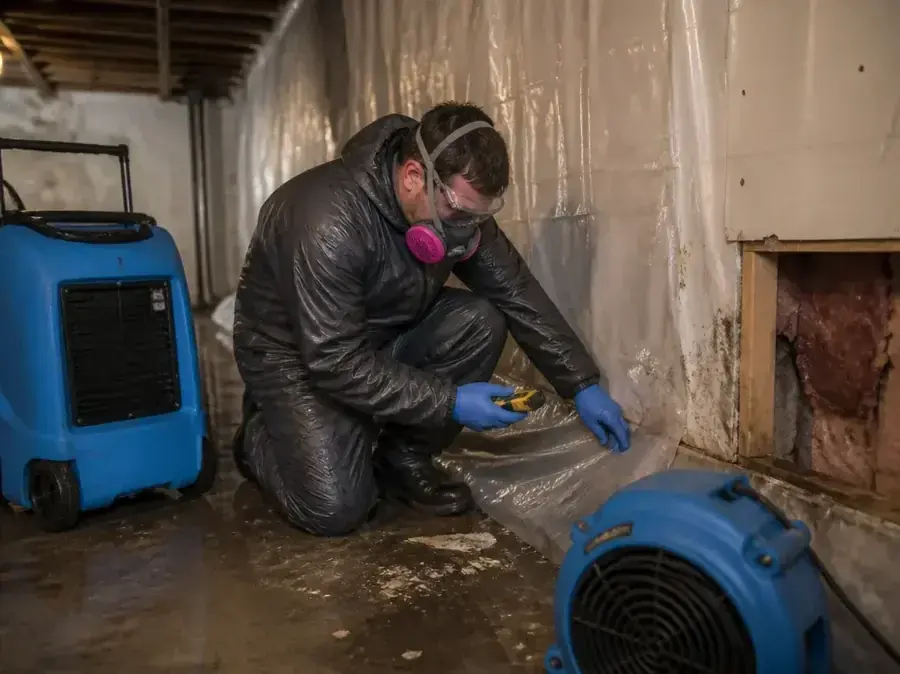
What a water damage dry-out looks like, room by room
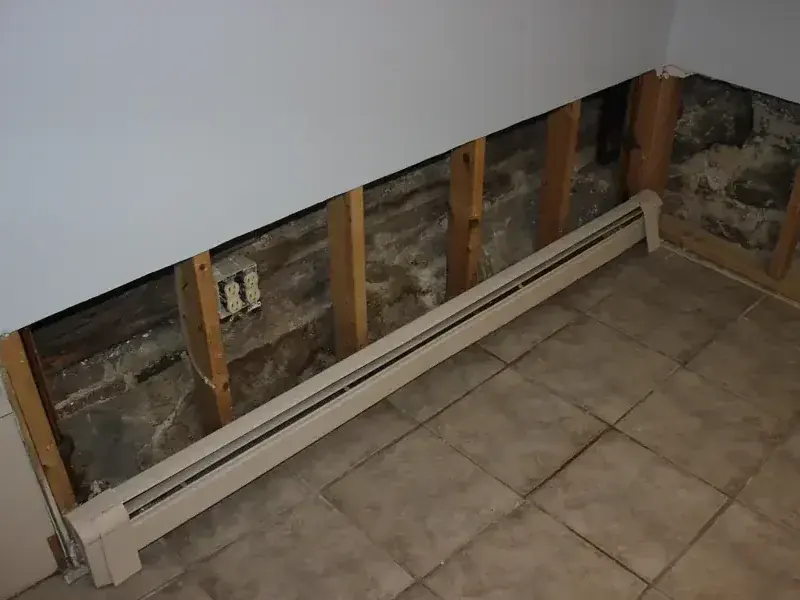
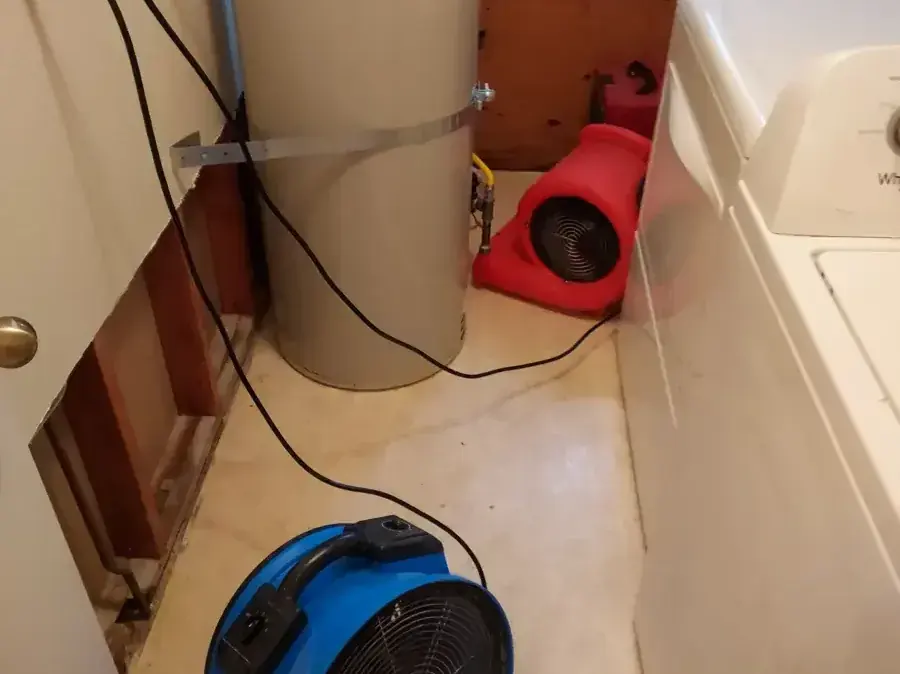
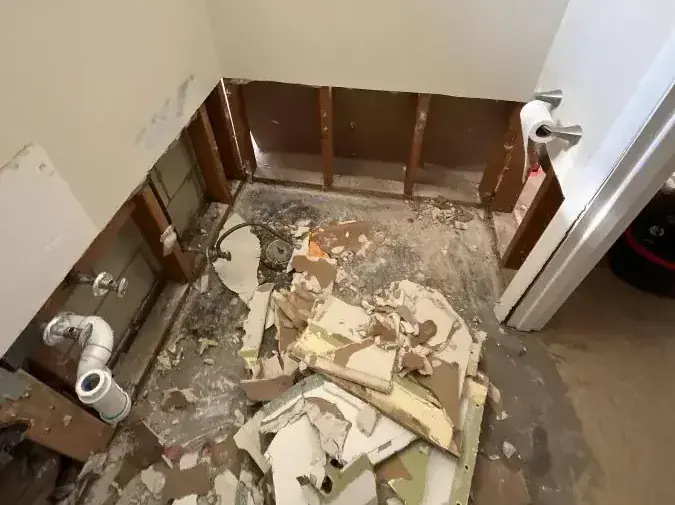
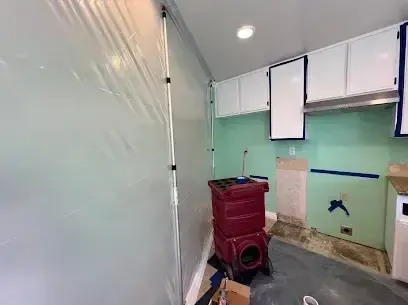
From Island Station to Linwood, each neighborhood district
Dispatch reaches ZIP 97222 and 97267 and the cities nearby at any hour.
ZIP codes covered
Unsure whether a street is inside the area? With water coming in, call anyway.
One call reaches Milwaukie water damage pros, 24/7
A single call starts pumping, drying or sewage cleanup in any district named here, day or night.
Email suits questions that can wait; active water calls for the phone.
Neighborhood districts
- Ardenwald-Johnson Creek
- Hector Campbell
- Historic Milwaukie
- Island Station
- Lake Road
- Lewelling
- Linwood
Corridors
- Southeast McLoughlin Boulevard
- Highway 224
- Harmony Road
- Oatfield Road
- Rusk Road
Nearby cities
Why water damage finds Milwaukie homes
Milwaukie sits on the east bank of the Willamette River, where Johnson Creek drains a highly urbanized watershed and Kellogg Creek runs along the southern edge to the river. Nearly 80 percent of the city's housing was built before 1980, with the most building in the 1960s and 1970s, and about 29 percent of units are attached, so a leak in one home can reach the next.
December 1964 and December 7, 2015. The 1964 Willamette River flood inundated businesses and homes along the river. In 2015, Kellogg Creek overtopped its banks and fire crews evacuated a neighborhood between Lake Road and Highway 224.
Water damage questions from Milwaukie homeowners
How quickly does help come after a creek floods?
Dispatch works 24/7 and treats water inside a home as urgent at any hour. During a wide flood, like Kellogg Creek in December 2015, safety comes first: stay out of moving water and leave rescues to fire crews.
What should I do before the crew gets here?
If it is safe, shut the main valve, switch off circuits near the water at a dry panel and photograph each room. Move papers, photos and electronics up high, but leave soaked drywall and carpet for the readings.
Does homeowners insurance cover creek flooding?
Usually not. Rising creek or river water is flood, which standard homeowners policies leave out and separate flood coverage handles. A pipe that bursts inside is a different story. Policy wording decides, so check with your own insurer.
My building has attached units. How is the water traced?
Water does not stop at the property line. In duplexes and apartment buildings, the drying team follows moisture into shared walls and the unit below, documents each area and dries them together.
How long will drying take?
A contained clean-water loss often dries in three to five days. Creek water, hardwood, plaster and dense framing add time. Readings taken every day decide when the equipment leaves.
What does IICRC S500 mean for my home?
It is the trade standard for water damage restoration. It sets how water is categorized, how much equipment a room needs and how a structure is proven dry before the job closes.
Why does drywall get cut after a flood?
Creek water is Category 3, so wet drywall and the insulation behind it come out. A flood cut removes just the wet band, which lets the wall cavity dry and keeps the rebuild smaller.
Is it safe to clean up sewage myself?
No. Sewage carries bacteria and viruses. The crew wears protective gear, removes porous materials it touched, cleans and applies an EPA-registered antimicrobial before any drying starts.
What is mitigation, and how is it different from repair?
Mitigation stops the damage from growing: pumping water out, removing ruined materials and drying. Repair puts back what was removed. Insurers expect mitigation to start quickly, and mold can begin on wet materials in 24 to 48 hours.
What sets the price of a water damage job?
The water category, the wet square footage, the materials, how hard the space is to reach and how long the water sat. The cost calculator shows each factor at work.
Creek or pipe water inside? Start the extraction.
The longer water sits, the deeper it reaches into pad, drywall and framing. One call starts pumping and drying anywhere in the city, day or night.
(888) 373-8814Bring in the pumps and dehumidifiers