Crawl Space Water Removal in Lake Oswego, OR
Months of winter rain and slow pipe leaks pool water on the vapor barrier. The mitigation team pumps it out, pulls soaked insulation and dries the joists and subfloor before they stay wet into spring.
(888) 373-8814Pump the water out from under the house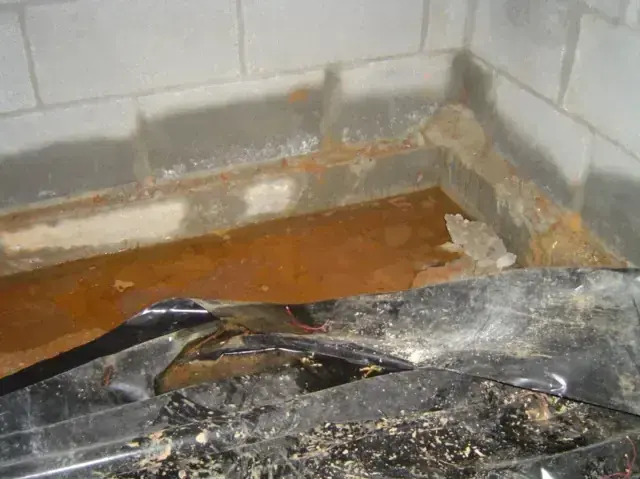
First steps for crawl space water removal
- Look from the hatch. Use a flashlight from the access door; do not crawl in near standing water and wiring.
- Shut off a leaking pipe. If water is still running under the floor, close the main valve.
- Check the furnace ducts. Ductwork under the house that sits in water should not run until it is checked.
- Note any smell. A sewage smell means Category 3; keep everyone out of the space.
Most homes here sit over vented crawl spaces, and the soil under them stays saturated for much of the October to April wet season. When water gets in, it pools on the vapor barrier, soaks the fiberglass between the joists and keeps the subfloor damp from below.
How crawl space water gets removed
The crew checks for electrical hazards and a sewage smell before anyone goes under the house. Then the work follows a set order:
- Pump out: submersible pumps move standing water off the barrier and out of low spots.
- Pull wet insulation: soaked fiberglass sags, holds water against the subfloor and stops insulating, so it comes out.
- Remove the damaged barrier: torn or buried plastic is pulled so the soil and wood can dry.
- Dry the wood: the space is closed in with plastic, and LGR dehumidifiers and air movers run until joists and subfloor read dry.
What does crawl space water removal cost in Lake Oswego, OR?
In Lake Oswego, OR, crawl space water removal typically runs $1,500 to $8,000, depending on how much water pooled, whether insulation and vapor barrier need replacing, the size of the crawl space and whether the water was clean or ground water.
Small pipe leak
$1,500 to $3,000Part of the crawl space pumped and dried, with wet insulation pulled.
Whole crawl space
$3,000 to $5,500Standing water across the space, barrier and insulation removed, full drying.
Ground water or sewage
$5,000 to $8,000Category 3 water with removal, cleaning, antimicrobial and longer drying.
Ranges are typical, not a quote: the water category, square footage, material class and how fast drying started move the number most. Run the water damage cost calculator for a closer range.
Ground water versus a leaking pipe
Where the water came from changes the job. A supply pipe leaking under the floor is clean water and usually dries in place. Ground water and storm runoff carry soil and bacteria, so they are treated as Category 3 and anything porous they touched is removed. Water that returns after every storm points to drainage: downspouts emptying beside the foundation, a yard sloping toward the house or no sump pump. Oregon State University Extension publishes homeowner material on drainage and moisture, and the National Weather Service in Portland posts the heavy-rain outlooks that usually come before a wet crawl space.
Why a wet crawl space cannot wait for spring
Wood that stays wet for weeks loses strength, and damp air from under the floor rises into the living space as a musty smell. Mold can start growing on wet materials in 24 to 48 hours. The crawl space water check scores the common warning signs, and structural drying explains how readings decide when the job is done.
How crawl space water removal work is held to a standard
Rapid local response
Dispatch runs 24/7, and active water anywhere from Lake Grove to Old Town is treated as urgent, holidays included.
IICRC S500 drying standard
Air movers and LGR dehumidifiers are sized to each room's evaporation load and stay in place until the readings say dry.
Claim-ready documentation
Moisture maps, daily psychrometric logs and timestamped photos are taken before anything wet is removed.
Local water know-how
Crawl spaces under fir-shaded roofs, daylight basements on hillside lots and pipes exposed in an ice storm shape every plan.
Crawl space water removal from Old Town to the west hills
24/7 dispatch reaches every street in the coverage map, day or night.
The local restoration pros cover ZIP 97034 and 97035, from First Addition and Old Town near the lake to Lake Grove, Westlake, Mountain Park, Palisades, Forest Highlands and the homes off Stafford Road.
Nearby coverage reaches West Linn, Milwaukie, Gladstone, Tigard, Tualatin, Rivergrove, Dunthorpe, Southwest Portland.
Related water damage services
Water Extraction and Removal
Standing water pulled with truck-mounted and portable units before pad, drywall and framing soak it up.
See the details ›Structural Drying and Dehumidification
Framing, subfloor and hardwood dried with LGR and desiccant units to a dry reference.
See the details ›Basement Flooding Cleanup
Daylight basements and lower levels extracted, opened where needed and dried to a reading.
See the details ›Crawl Space Water Removal questions
How do I know water is in my crawl space?
A musty smell on wet days, floors that feel soft or cupped, higher humidity indoors and sagging insulation are the common signs. A look from the hatch with a flashlight confirms it.
Does the vapor barrier have to be replaced?
Often. Torn, buried or soaked plastic traps water against the soil and slows drying. It is pulled during mitigation and replaced once the space is dry.
Can the crawl space dry on its own by summer?
Some of it may, but wet insulation and wood stay damp far longer than the soil, and the damage keeps building meanwhile. Drying with equipment is measured and much faster.
Is a sump pump the fix?
A sump pump helps when ground water rises under the house, but it does not dry what is already wet. Pumping and drying come first; drainage changes prevent the next round.
Is crawl space water covered by insurance?
A sudden pipe leak is commonly covered; ground water and long-term seepage often are not. Coverage depends on your policy, so check with your own insurer.
How long does a crawl space take to dry?
Usually four to seven days once the space is enclosed and dehumidified. Heavy saturation or wet-season air can add time, and readings decide.
Water pooled under the house?
Wet insulation and joists stay wet for months without help. The crew pumps the water out and dries the wood.
(888) 373-8814Dry out the space under the floor