Crawl Space Water Removal in Milwaukie, OR
Where a home has a crawl space, a leaking pipe or creek water that reaches the foundation can pool under the floor. The mitigation team pumps it out, pulls wet insulation and dries the framing to a reading.
(888) 373-8814Have the water under the floor pumped out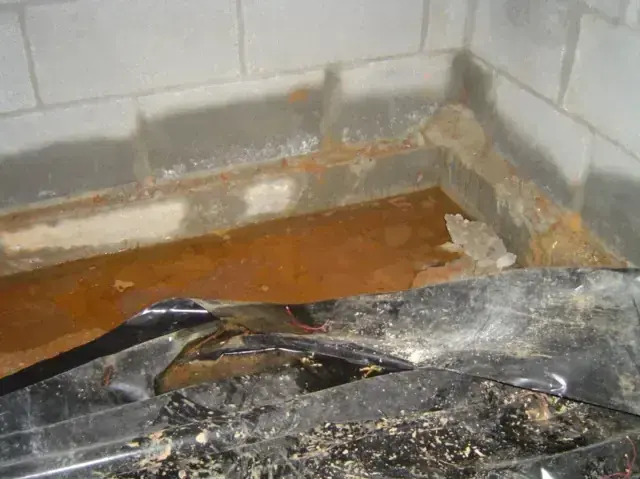
First steps for crawl space water removal
- Check from the access hatch. Look with a flashlight from the opening. Do not crawl in where water sits near wiring.
- Stop a running pipe. If water is still flowing under the floor, close the main valve right away.
- Leave flooded ducts off. If heating ducts below the floor sit in water, keep the furnace off until they are checked.
- Notice the smell. A sewage odor means Category 3 water. Keep everyone out of the space.
Milwaukie sits on the east bank of the Willamette River with Johnson Creek and Kellogg Creek running through it, and nearly 80 percent of its homes were built before 1980. In a home built over a crawl space, water from an aging pipe or from rising creek water collects under the floor, where nobody sees it for weeks.
How water is removed from a crawl space
Before anyone goes under the house, the crew checks for live wiring in the water and for a sewage smell. The work then runs in order:
- Pumping: submersible pumps lift pooled water off the plastic and out of low spots.
- Insulation: soaked fiberglass between the joists is pulled, since it sags and holds water against the subfloor.
- Barrier: torn or mud-covered plastic comes out so the soil and wood can dry.
- Drying: the space is sealed with plastic, and LGR dehumidifiers and air movers run until the wood reads dry.
What does crawl space water removal cost in Milwaukie, OR?
Crawl space water removal here typically runs $1,500 to $8,000, depending on the depth of the water, the size of the space, how much insulation and barrier must be replaced and whether the water came from a pipe or a creek.
Pipe leak, one section
$1,500 to $3,000One area under the floor pumped out, wet insulation removed and the wood dried.
Water across the space
$3,000 to $5,500Pooled water throughout, barrier and insulation pulled, a full drying setup.
Creek water or sewage
$5,000 to $8,000Category 3 water with removal, cleaning, an antimicrobial and longer drying.
Ranges are typical, not a quote: the water category, square footage, material class and how fast drying started move the number most. Run the water damage cost calculator for a closer range.
Pipe water or creek water
A pipe leaking under the floor is clean water and usually dries in place. Water from Kellogg Creek, Johnson Creek or Mount Scott Creek carries silt and bacteria, so it is Category 3, and anything porous it touched is removed after the pumping. The December 7, 2015 flood on Kellogg Creek put water into garages and homes near the creek, the kind of loss that reaches the space under a floor. FEMA flood maps show the mapped flood plains along the Willamette River, Johnson Creek and Kellogg Creek.
Why water under the floor cannot wait
Wood that stays wet for weeks weakens, and damp air from below rises into the rooms above as a musty smell. Mold can start growing on wet materials in 24 to 48 hours, and the wet Pacific Northwest winters slow natural drying. The crawl space water check scores the warning signs, and structural drying shows how readings decide when the work ends.
How crawl space water removal work is held to a standard
Rapid local response
Dispatch runs 24/7, and active water anywhere from Lake Grove to Old Town is treated as urgent, holidays included.
IICRC S500 drying standard
Air movers and LGR dehumidifiers are sized to each room's evaporation load and stay in place until the readings say dry.
Claim-ready documentation
Moisture maps, daily psychrometric logs and timestamped photos are taken before anything wet is removed.
Local water know-how
Crawl spaces under fir-shaded roofs, daylight basements on hillside lots and pipes exposed in an ice storm shape every plan.
Crawl space water removal, district by district
24/7 dispatch reaches every street in the coverage map, day or night.
Crawl space work runs across ZIP 97222 and 97267, from Island Station along the river to Ardenwald-Johnson Creek, Lewelling, Linwood, Lake Road and Hector Campbell, plus homes near Kellogg Creek and Johnson Creek.
The same service nearby: crawl space water removal in Lake Oswego, Gladstone, West Linn.
Related water damage services in Milwaukie
Water Extraction and Removal in Milwaukie
Standing water pulled with truck-mounted and portable units before pad, drywall and framing soak it up.
See the details ›Basement Flooding Cleanup in Milwaukie
Daylight basements and lower levels extracted, opened where needed and dried to a reading.
See the details ›Structural Drying and Dehumidification in Milwaukie
Framing, subfloor and hardwood dried with LGR and desiccant units to a dry reference.
See the details ›Crawl Space Water Removal in Lake Oswego
Water pooled on the vapor barrier pumped out, sagging insulation pulled and joists dried.
See the details ›Water damage restoration in Milwaukie
Every water service for Milwaukie, 24/7.
See the details ›Crawl Space Water Removal questions
What are the signs of water under the floor?
A damp, earthy smell on rainy days, floors that feel soft or uneven, rising humidity indoors and insulation hanging down are the usual clues. A flashlight check from the hatch confirms it.
Will the plastic barrier be replaced?
Usually. Torn or mud-covered plastic holds water against the soil and slows drying, so it is removed during mitigation and replaced once the space reads dry.
Will it dry by itself once summer comes?
The soil might, but wet insulation and joists stay damp far longer, and the wood keeps weakening in the meantime. Drying with equipment is quicker and proven with readings.
Is a sump pump enough?
A sump pump handles ground water that rises under the house; it does nothing for joists that are already wet. The water comes out and the wood gets dried first, then drainage work prevents a repeat.
Will insurance pay for water under the floor?
Often for a pipe that failed suddenly; rarely for creek water or seepage that built up over time. The wording of the policy rules, so ask your own insurer before work starts.
How many days does it take to dry?
Usually four to seven once the space is closed in and the dehumidifiers run. A deeply soaked space or a stretch of damp weather adds days; the meters decide.
Water sitting below the floor?
Soaked insulation and framing stay wet for months on their own. The crew pumps the water out and dries the wood.
(888) 373-8814Pump out and dry the space