Water Extraction and Removal in Gladstone, OR
In Gladstone, a failed pipe or storm water at the floor means pumps and extraction wands pull standing water out of carpet, pad and subfloor before moisture sinks into the framing.
(888) 373-8814Call for water extraction now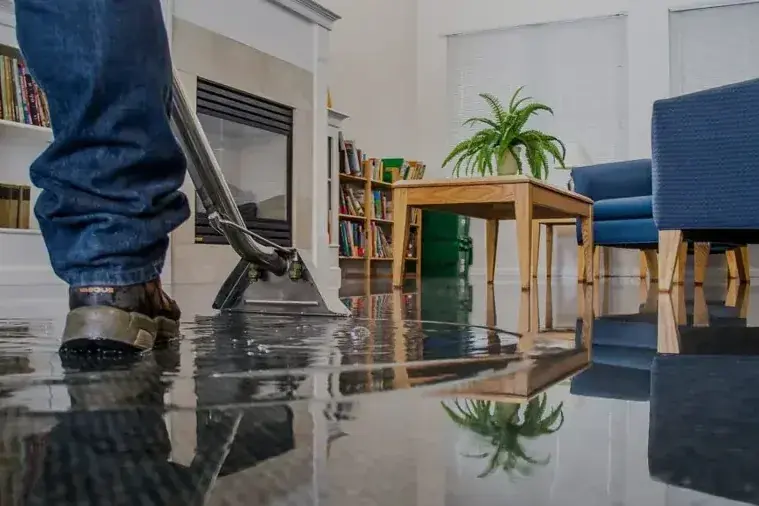
First steps for water extraction and removal
- Stop the source. Close the nearest shutoff valve or the main so no more water arrives.
- Cut power nearby. Switch off breakers to wet rooms, and stay out of water near outlets.
- Lift loose items. Move rugs, paper and small furniture to a dry spot, away from the pumping path.
- Photograph the water. Take dated photos of the water level on walls and furniture before pumping starts.
Water that sits on a floor keeps moving, wicking into drywall, pad and framing. The extraction crew starts by finding the source and removing the bulk of the water with pumps and wands, because every gallon left behind makes the drying run longer and the repair larger.
What the extraction crew does first
A hose and wand pass over the wet surface until it stops giving up water. Then the crew checks hidden spots, from toe kicks to wall bottoms.
- PumpsPortable submersible pumps handle deeper water, while truck-mounted units move large volumes quickly.
- WandsWeighted wands press water from carpet and pad, and flat tools draw it from tile and hardwood.
- MetersMoisture meters and a thermal camera show where water traveled beyond what the eye can see.
- SalvageWet pad and soaked drywall are removed only when they cannot dry in place, which keeps repairs smaller.
What does water extraction and removal cost in Gladstone, OR?
Extraction alone usually lands between $1,000 and $4,500, with the spread coming from how many rooms are wet, how deep the water stood and whether it reached a lower level or crawl space, and a written scope lists what each figure covers.
A single room
$1,000 to $2,000One floor of clean water pumped out, with drying gear placed after.
Carpeted floor of rooms
$2,000 to $3,500Pad and carpet lifted across several rooms, then equipment set.
Lower level or crawl space
$3,000 to $4,500Deep water pumped out of a lower level or the space below the floor.
Ranges are typical, not a quote: the water category, square footage, material class and how fast drying started move the number most. Run the water damage cost calculator for a closer range.
Where extraction fits in the dry-out
Extraction removes liquid water, but it does not dry the building. Once the pumps finish, the wet structure still holds moisture that only air movers and dehumidifiers can pull out, so structural drying follows right behind. Lower levels and crawl spaces may need deeper pumping first, and a flooded room with contaminated water changes the plan again, since porous materials may need to leave with it. The crew sorts out which case applies before any equipment is set.
Storm seasons in a river town
Gladstone sits where the Clackamas River meets the Willamette River, and winter storms keep water on residents' minds. When the Clackamas River crested at Estacada on December 19, 2025, the city asked people to stay back from the high, fast water. Inside a home, the same wet season shows up as roof leaks, failed hoses and drains that cannot keep up.
How water extraction and removal work is held to a standard
Rapid local response
Dispatch runs 24/7, and active water anywhere from Lake Grove to Old Town is treated as urgent, holidays included.
IICRC S500 drying standard
Air movers and LGR dehumidifiers are sized to each room's evaporation load and stay in place until the readings say dry.
Claim-ready documentation
Moisture maps, daily psychrometric logs and timestamped photos are taken before anything wet is removed.
Local water know-how
Crawl spaces under fir-shaded roofs, daylight basements on hillside lots and pipes exposed in an ice storm shape every plan.
Water extraction and removal, district by district
24/7 dispatch reaches every street in the coverage map, day or night.
Extraction crews work across Downtown Gladstone, the McLoughlin Corridor and Sherwood Forest, along Portland Avenue and on streets throughout 97027, wherever standing water has to come out, whatever the hour.
The same service nearby: water extraction and removal in Lake Oswego, West Linn, Milwaukie.
Related water damage services in Gladstone
Structural Drying and Dehumidification in Gladstone
Framing, subfloor and hardwood dried with LGR and desiccant units to a dry reference.
See the details ›Basement Flooding Cleanup in Gladstone
Daylight basements and lower levels extracted, opened where needed and dried to a reading.
See the details ›Crawl Space Water Removal in Gladstone
Water pooled on the vapor barrier pumped out, sagging insulation pulled and joists dried.
See the details ›Water Extraction and Removal in Lake Oswego
Standing water pulled with truck-mounted and portable units before pad, drywall and framing soak it up.
See the details ›Water damage restoration in Gladstone
Every water service for Gladstone, 24/7.
See the details ›Water Extraction and Removal questions
How much water can the crew remove from a flooded home?
Pumps handle anything from a damp carpet to several inches across a floor, and truck-mounted units take on deeper volumes. Depth and square footage set the equipment, not a fixed limit.
Can wet carpet be saved after extraction?
Often, when the water was clean and extraction began early. Pad is usually replaced because it holds water, while carpet can be dried in place and cleaned if the backing is intact.
Is extraction different for sewage or river water?
Yes. Contaminated water needs containment, protective gear and removal of porous materials such as carpet and pad, followed by cleaning and sanitizing. Clean water from a pipe is handled far more simply.
Does extraction replace professional drying?
No. Pumping removes liquid, but walls, subfloor and framing hold moisture that only controlled airflow and dehumidification can remove. Skipping drying invites odor and mold growth.
What helps the crew work faster at the house?
Clear access to the wet rooms, a known shutoff location and a short note about when the water started. Photos taken before anything moves also help the claim.
Pump it out, then dry it right
The extraction crew removes standing water, checks what stayed wet and sets drying equipment before the damage spreads.
(888) 373-8814Send pumps to my address