Water Extraction in Tualatin, OR
Standing water from a failed fixture or a swollen river is pumped and extracted first, before it soaks deeper into carpet pad, drywall and the subfloor. Truck-mounted units and portable pumps do the work.
(888) 373-8814Get pumps to the standing water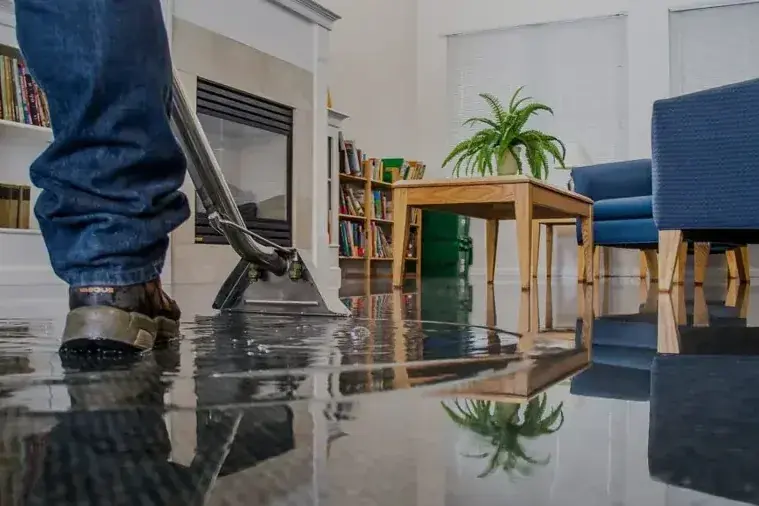
First steps for water extraction and removal
- Find the source. Shut off the fixture valve or the main, or note where outside water is entering.
- Clear the floor. Lift rugs, boxes and furniture legs off wet surfaces so extractors can reach them.
- Photograph first. Take dated pictures of the high-water mark and damaged items before anything is removed.
- Hold off on cutting. Leave drywall and trim alone, since the crew reads moisture before opening any wall.
Extraction is the first job in almost every water loss. The crew pumps or vacuums standing water off carpet, tile and subfloors, then checks which layers stayed wet. In town that water might come from a split supply pipe, an overflowing tub or the Tualatin River moving through low spots.
What comes out first
Water on top of the floor does the most harm, so it goes first. After that the crew sorts what can dry in place from what cannot.
- Pumps Submersible and truck-mounted pumps clear deep water from floors and lower levels.
- Extractors Wand tools pull water out of carpet and pad before drying equipment goes in.
- Meters Moisture readings show whether wall bottoms and subfloors stayed wet.
- Disposal Ruined pad and soaked drywall are removed so they stop releasing moisture.
What does water extraction and removal cost in Tualatin, OR?
Extraction cost depends on how much floor was wet and how deep the water stood. One room is the low end, several rooms sit in the middle, and a lower level or crawl space pumped from depth costs the most.
A single wet room
$1,000 to $2,000Clean water extracted from one room with drying gear set.
Several rooms on a floor
$2,000 to $3,500Carpet and pad extracted across the floor before equipment is placed.
Deep water below grade
$3,000 to $4,500A lower level or crawl space pumped from depth, then dried.
Ranges are typical, not a quote: the water category, square footage, material class and how fast drying started move the number most. Run the water damage cost calculator for a closer range.
When the flooding comes from outside
River and creek overflow is not the same as a pipe leak. When the river flooded in February 1996, water rolled through much of downtown, and some streets sat under eight or nine feet of it. Floodwater from outside is treated as contaminated, so extraction is followed by cleaning and removal of porous materials. City rules may apply to work inside a building in the floodplain, so owners check their flood map first.
After the water is gone
A pumped floor is not a dry floor. Moisture stays in pad, baseboards and the bottoms of walls, so air movers and dehumidifiers go in next, and readings continue until framing and subfloor reach target. Structural drying follows extraction on every job, and a burst pipe usually starts with it.
How water extraction and removal work is held to a standard
Rapid local response
Dispatch runs 24/7, and active water anywhere from Lake Grove to Old Town is treated as urgent, holidays included.
IICRC S500 drying standard
Air movers and LGR dehumidifiers are sized to each room's evaporation load and stay in place until the readings say dry.
Claim-ready documentation
Moisture maps, daily psychrometric logs and timestamped photos are taken before anything wet is removed.
Local water know-how
Crawl spaces under fir-shaded roofs, daylight basements on hillside lots and pipes exposed in an ice storm shape every plan.
Water extraction and removal, district by district
24/7 dispatch reaches every street in the coverage map, day or night.
Extraction runs across Byrom, East, Ibach, Martinazzi Woods, Midwest and Riverpark, and downtown near Tualatin Commons, with the same truck-mounted equipment at every address, whether the water came from a pipe or from the river.
The same service nearby: water extraction and removal in Lake Oswego, Tigard, West Linn.
Related water damage services in Tualatin
Structural Drying and Dehumidification in Tualatin
Framing, subfloor and hardwood dried with LGR and desiccant units to a dry reference.
See the details ›Basement Flooding Cleanup in Tualatin
Daylight basements and lower levels extracted, opened where needed and dried to a reading.
See the details ›Burst Pipe Water Damage in Tualatin
Failed supply pipes inside walls and ceilings stopped at the valve, extracted and dried.
See the details ›Water Extraction and Removal in Lake Oswego
Standing water pulled with truck-mounted and portable units before pad, drywall and framing soak it up.
See the details ›Water damage restoration in Tualatin
Every water service for Tualatin, 24/7.
See the details ›Water Extraction and Removal questions
How is extraction different from drying?
Extraction removes liquid water with pumps and wands. Drying then pulls moisture out of materials with air movers and dehumidifiers, a separate stage with its own readings.
Can carpet be saved after extraction?
Clean-water carpet is often saved when extraction starts early. Pad that stayed soaked, or any carpet touched by sewage or floodwater, is usually removed.
What if the water came from the river?
Floodwater from outside is Category 3. After pumping, porous materials are removed, hard surfaces are cleaned and treated, and the structure dries under logged readings.
Does extraction work on hardwood floors?
Hardwood is extracted with specialty tools, then mats and desiccant units draw moisture from the boards. Cupped boards can sometimes flatten as the moisture drops.
How long does pumping take?
A single room goes quickly, while a lower level or crawl space with deep water is pumped down in stages so walls and slabs are not stressed.
Will insurance cover extraction?
Sudden failures such as a burst pipe or appliance leak are commonly covered, and photo and reading logs support the claim. Flood from outside may fall under separate coverage.
Get the water out first
Pumps and extractors do their best work while the water is still on top of the floor, before it settles into pad and framing.
(888) 373-8814Ask for the extraction crew